
Appearance matters more
Discover why appearance is crucial in woodworking projects and how fit, finish, and design elevate furniture from functional to stunning artworks.
PROJECT BLOG 1 - BEGINNER
Sawdust BuzzBlog Editorial Team - Led by AJ “Buzz” Eichman
2/9/20264 min read
Appearance Matters More: Elevating Furniture & Home Projects with Fit, Finish, and Design
Ah, furniture — that magical blend of “will it hold me up?” and “will my in-laws judge my taste?” Let’s be real: nobody’s throwing a dinner party to show off how functional their chairs are. Nope. Looks matter, and in woodworking, they matter a lot. Stick with me here, because turning a slab of wood into something that says “I’ve got style and substance” is less about muscles and more about the art of appearance.
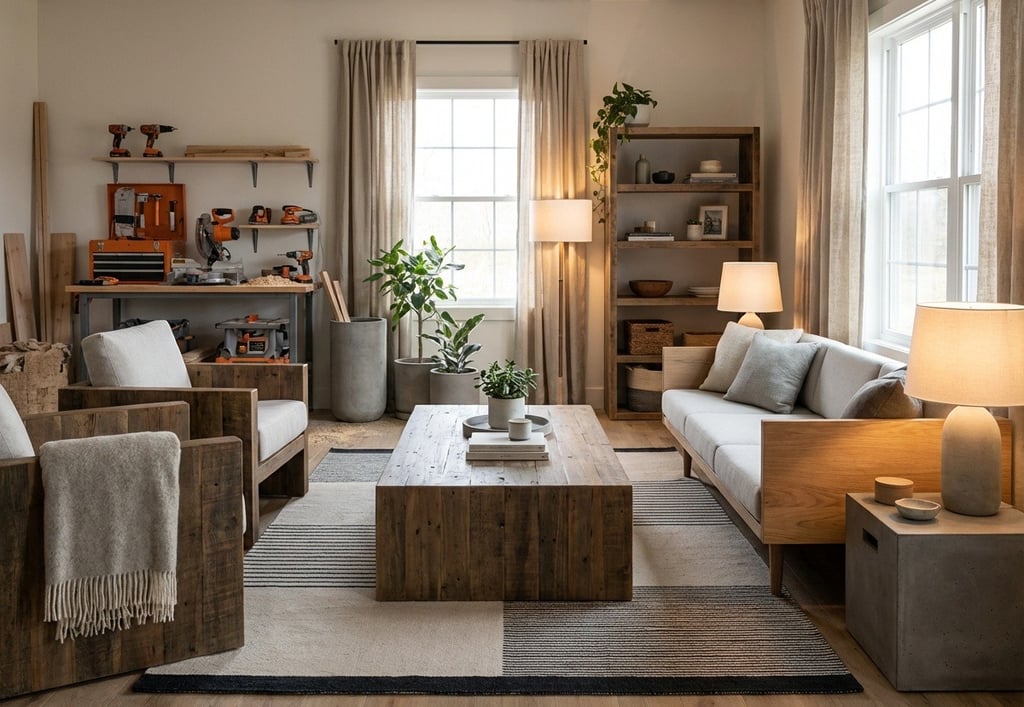
Why Appearance Outshines Function in Woodworking
Function? Sure, a chair should hold your weight and a drawer should open without you needing a crowbar. But if that chair looks like it escaped from a toddler’s tantrum and the drawer squeaks like an angry raccoon, well…good luck impressing your guests.
Studies say millennials (you know, the picky avocado-toast crowd) are 82% more hooked on wood products that look good. So yes, your project’s value skyrockets when it’s not just “does the job” but “makes me want to Instagram it.” It’s the difference between furniture and art—where form waltzes hand-in-hand with function like a perfectly choreographed dance (minus the awkward dad moves).
Takeaway? A slick fit and a killer finish don’t just protect your investment—they broadcast it loud and clear.
The Role of Geometry and Proportions in Design
You might think geometry belongs in math class, not your dining room. Cue dramatic pause. But trust me: those Golden Rectangles and carefully measured proportions are the secret sauce behind why some furniture just looks right.
Imagine design as a Hollywood blockbuster with geometry playing the star—balancing height, width, and depth like a seasoned stunt coordinator. Long sweeping arcs and smooth curves in wood soften harsh room angles, add visual flow, and whisper sweet nothings like “relax, this piece knows what it’s doing.”
So, yes, you can totally justify using a ruler for something that isn’t taxes. Geometry keeps your furniture from looking like it got dressed in the dark, and that, my friend, makes a world of difference.
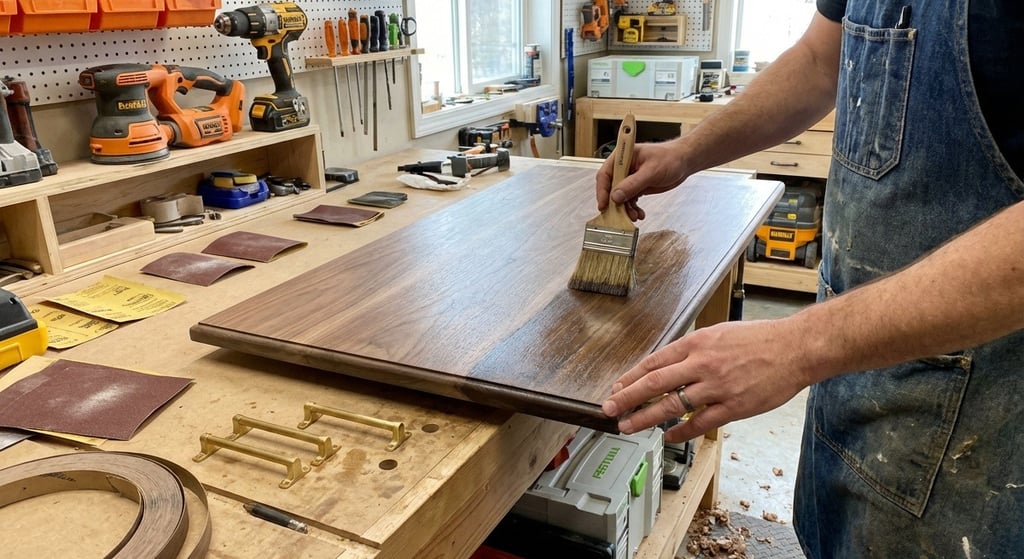
Finishing Techniques for Professional Fit and Finish
Here’s where things get juicy (and by juicy, I mean sanding dust and topcoats):
- Edge Banding: That plywood edge that's screaming “unfinished”? Wrap it up with edge banding—your project’s equivalent of slipping on a sleek leather jacket. Instant upgrade.
- Sanding: If your wood feels like sandpaper meets cheese grater, stop. Smooth surfaces are the runway models of woodworking: they show off every curve and color the way they should.
- Staining and Toners: Want that “wow” factor? Stains and toners deepen wood grain and unify your color palette faster than a Netflix binge session.
- Custom Hardware: Generic knob? Nah. Go for statement pulls and knobs that say, “Yeah, I care about this stuff.” It’s like adding a bow tie to your outfit.
Skipping these finishing touches is like showing up to Comic-Con without your costume. Sure, you’re there—but are you really making an impact?
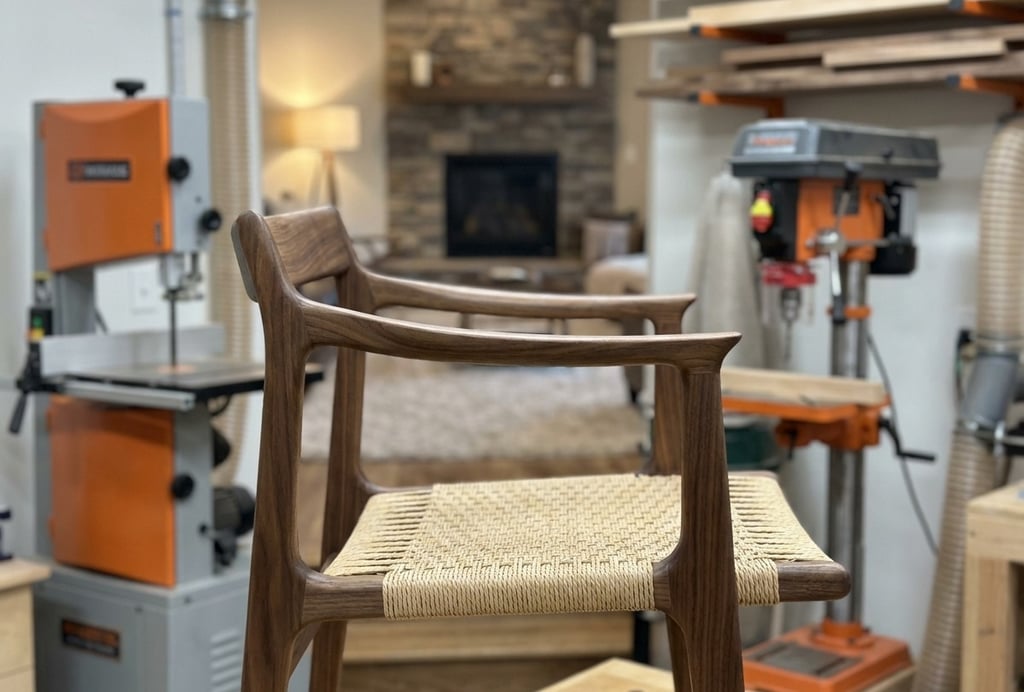
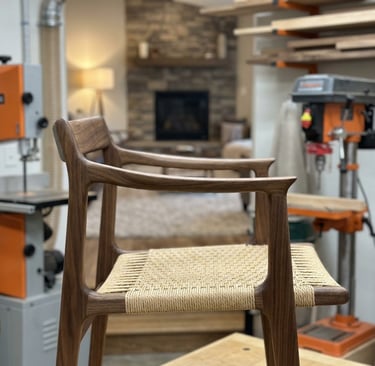
Trends in Aesthetic Woodworking Projects
Hot take coming in 3…2…1…
Woodworking isn’t stuck in a dusty old workshop anymore. Trends are rewriting the script:
- Reclaimed Wood: Because who doesn’t want a story in their furniture? Reclaimed wood brings texture, eco-chic vibes, and that “been-around-the-block” swagger.
- Custom Woodworking: Forget one-size-fits-all. Personalized pieces that shout your style and fit your space? Yes, please.
- Sustainability: Green isn’t just for envy—energy-efficient and carbon-neutral finishes are the new black.
- Blast from the Past + Future: Mixing classic geometry with modern minimalism gives a fresh twist that catches eyes and hearts alike.
These trends prove that great woodworking is less about rules and more about making your space uniquely you.
FAQ
Q: How does geometry improve woodworking aesthetics?
A: It’s like the secret recipe for eye candy—balanced proportions trigger a natural “Ooh, that looks right,” because our brains love harmony.
Q: What finishing tips make projects look professional?
A: Edge banding for neat edges, sanding till your arm cramps, staining for depth, and custom hardware to add personality—the holy quartet of “Wow, who made this?”
Q: Why do consumers prefer attractive wood products?
A: Because beauty sparks joy (and maybe a little envy). Attractive pieces make homes cozy, create pride, and basically bribe guests to compliment you nonstop.
Glossary (Because I’m a nerd who loves words)
- Golden Rectangle: The mathematically perfect shape that makes your furniture go from “meh” to “marvelous.”
- Edge Banding: The snazzy little strip that hides plywood’s rough edges like a pro makeup job.
- Reclaimed Wood: Old wood with a soul (and some killer grain patterns you can’t buy).
Remember, folks: in woodworking, appearance isn’t just a bonus—it’s your main event. Nail that fit, polish that finish, honor the golden rules of design, and you’ll have furniture that’s as much a feast for the eyes as it is for function. And yes, this will definitely be on the test.