
Botanical Definitions vs Woodworking Reality
Explore the true meaning of hardwood vs softwood beyond botany, and how understanding wood properties impacts your woodworking projects.
BASIC - UNDERSTANDING YOUR MATERIALS
Sawdust BuzzBlog Editorial Team - Led by AJ “Buzz” Eichman
2/8/20264 min read
Botanical Definitions vs Woodworking Reality: Hardwood vs Softwood
When you’re picking wood for a project—furniture, flooring, or framing—the terms “hardwood” and “softwood” get tossed around like they mean hardness or softness. The truth is, those labels come from botany, not how the wood behaves in your hands or under your tools. The real story is a bit more nuanced, and understanding it can save you time and frustration.
I’ve been through this enough to tell you: the distinction is botanical first, practical second. Density, grain structure, workability—all those physical traits matter more in the workshop.
Let's break it down.
Botanical Definitions: Angiosperms vs Gymnosperms
At its core, the difference between hardwood and softwood is how the tree reproduces.
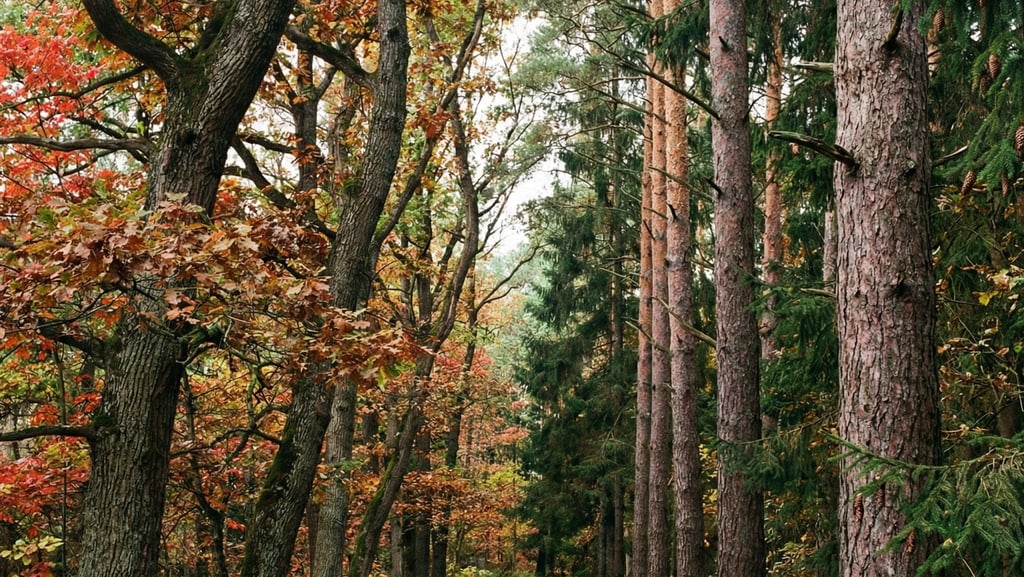
- Hardwoods come from angiosperms—flowering trees that produce seeds inside an ovary. Think oak, maple, walnut, cherry. Most of these trees are deciduous, dropping their broad leaves each year.
- Softwoods come from gymnosperms—cone-bearing trees without flowers. Pine, spruce, fir, and cedar fall here. These are generally evergreens, hanging on to their needle-like leaves year-round.
This classification isn’t about hardness. It’s about what kind of tree you’re dealing with at a biological level. That’s why you’ll find hardwoods that are soft and softwoods that are surprisingly tough.
Physical Properties: What Hardwood and Softwood Really Mean
The cell structures between these two groups differ, leading to different wood characteristics.
Hardwoods — Vessels and Complexity
Hardwoods have vessels—or pores—that help conduct water through the tree. This contributes to a more complex grain pattern and often greater density. Slow-growing hardwoods can take decades to mature, resulting in tight grains and durable wood prized for furniture and finish work.
Softwoods — Tracheids and Simplicity
Softwoods lack vessels. Instead, they rely on tracheids—simpler, uniform cells to move water. That generally makes softwoods lighter, less dense, and easier to work but also less resistant to dents and wear. They grow faster, so they’re often the go-to choice for framing and structural use.
Hardness Isn’t the Label’s Job
Here’s where folks get tripped up: not all hardwoods are hard, and not all softwoods are soft.
- Balsa is a hardwood — but it’s also one of the lightest, softest woods out there.
- Yew is a softwood, yet it's denser and harder than many hardwoods.
Hardness has more to do with species and growth conditions than label.
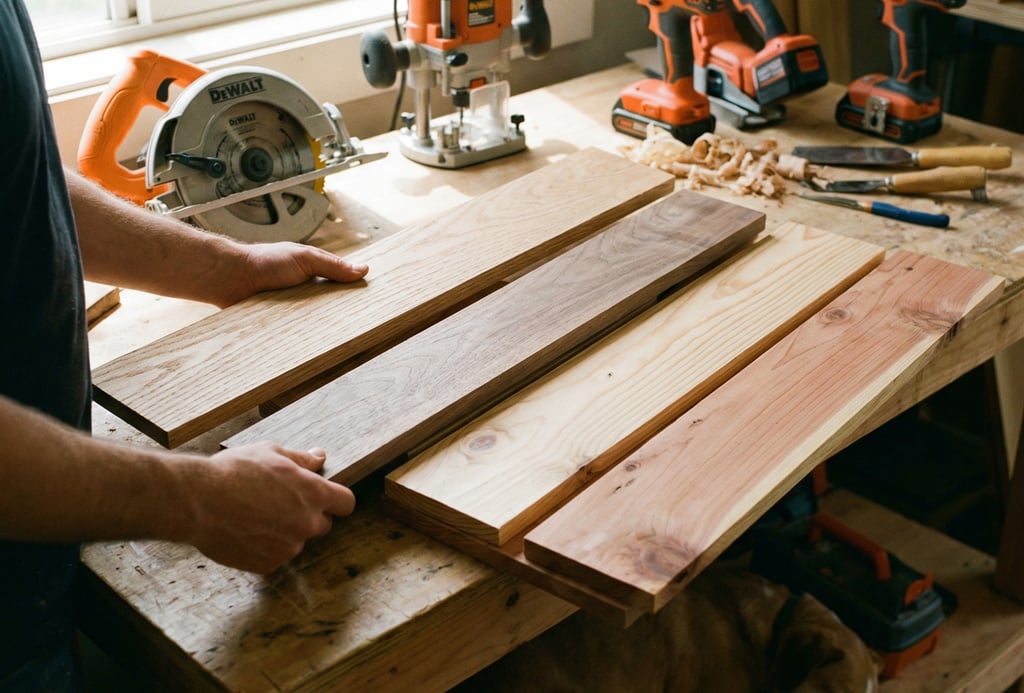
Woodworking Reality: Choosing Wood for Strength and Workability
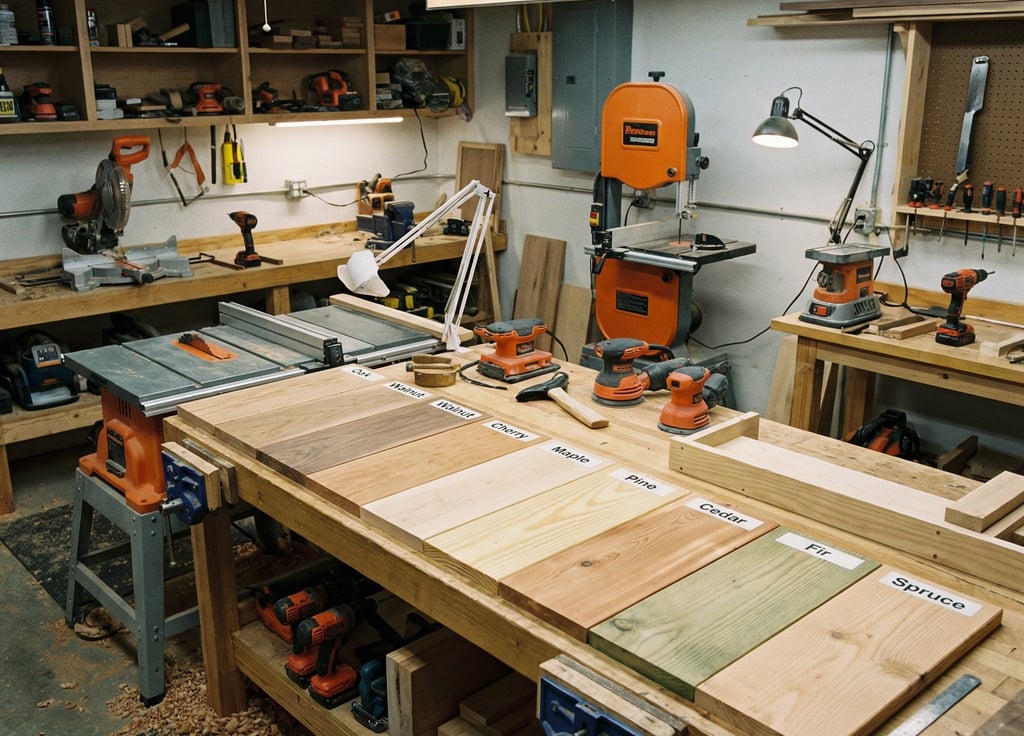
In my shop, hardwoods are usually my first pick when strength, appearance, and finish matter. Oak, walnut, cherry—they hold up well and give a refined look. They also handle finer joinery better.
Softwoods are what I reach for when structure and ease of use are priorities. Pine or fir for framing, cedar for outdoor trim. They’re easier on tools and lighter, but watch out for dents and dings.
Workability
Softwoods cut and shape easier since they’re less dense. If you’re new to woodworking or want quicker progress, they’re good choices. But if your project needs longevity or a smooth finish, hardwoods are worth the extra effort—they demand sharper tools and patience but reward with durability.
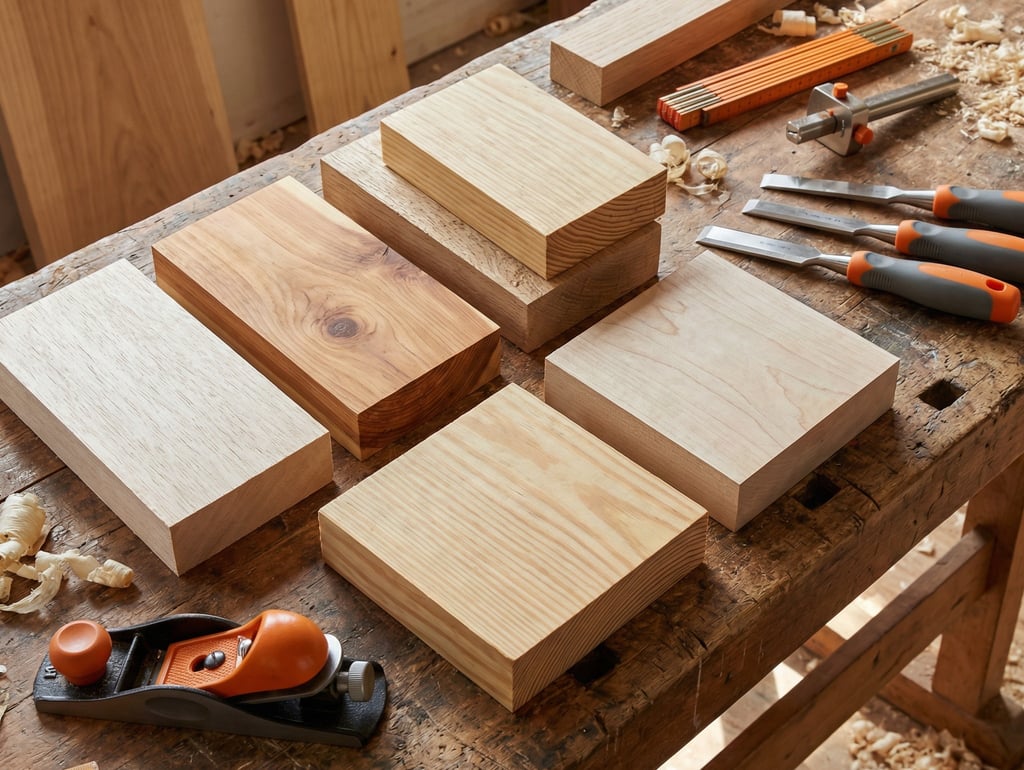
Exceptions and Overlaps That Matter
I don’t trust the hardwood/softwood label alone. Balsa and yew are classic examples where relying only on the category will mislead you.
Pine is another story. Southern Yellow Pine, for example, can be hard and dense enough for flooring, despite being a softwood.
You’ll do better learning your species and their actual properties. That’s the real path to success.
Practical Advice for Woodworkers
1. Know your species. Don’t trust labels alone. Learn what your wood will do.
2. Test samples before you commit. Feel the grain, cut a scrap, check hardness.
3. Fit wood choice to project needs. Expectations on durability, finish, and workability should drive your selection.
4. Adjust your tools. Hardwoods often need sharper bits and blades, slower feed rates.
5. Look and listen. Grain, weight, color, and even scent help you learn woods beyond labels.
FAQs
Q: Are hardwoods always harder than softwoods?
A: No. Hardwood and softwood are botanical terms, not hardness indicators. Species like balsa and yew break the usual expectations.
Q: What woods do you recommend for beginners?
A: Softer woods like pine (softwood) or poplar (hardwood) are more forgiving while learning. Hard hardwoods can be frustrating early on.
Q: How can I tell hardwood from softwood just by looking?
A: Check the leaves or needles, seed type, and grain pattern. Hardwood grains show pores under magnification, softwoods don’t. Experience helps here more than any quick trick.
Conclusion
These terms—hardwood and softwood—are starting points, not the final word. The biology matters less in the shop than density, grain, and how the wood responds to tools and time.
Learning to see wood beyond labels and judging it on its real merits is what separates solid craftsmanship from guesswork. Whether you’re working with oak or pine, yew or balsa, understanding the story behind the wood will serve you better than any shortcut.
I say this from having been there—you find out the hard way soon enough if you don’t respect these differences. Ask me how I know.