
Buy Once vs Buy Cheap (when each makes sense)
Explore when it makes sense to buy cheap woodworking tools versus investing in quality ones based on use, precision, and long-term value.
TOOLS 3 - SANDING PREP / SAFETY / QUALITY
Sawdust BuzzBlog Editorial Team - Led by AJ “Buzz” Eichman
2/9/20264 min read
Buy Once vs Buy Cheap: When Each Makes Sense in Tool Quality, Cost, and Timing
In the world of woodworking tools, the question of whether to buy cheap tools and replace them or invest upfront in quality gear is one that comes up often. The truth is, there’s no universal rule. Your choice depends on how often you use the tool, what you expect from it, and how much your time is worth. After years in the shop, I’ve learned which compromises make sense—and which ones just cost you more in the long run. Let’s break down when to save and when to spend.
When It Makes Sense to Buy Cheap Tools
Buying cheap tools has its place, especially if you’re just getting started or if your use is light and occasional. But don’t mistake “cheap” for “throwaway”; cheap tools can get the job done if you use them thoughtfully.
Good Enough for Learning and Light Use
When you’re new, your main goal is to learn the craft, not chase perfection. In that stage, cheaper tools let you practice without a big investment—and it’s okay to beat them up a bit. If you don’t plan on using a tool regularly, it may not be worth spending premium money on it.
- Example: Harbor Freight chisels at three to four bucks apiece aren’t the sharpest or most durable, but they’re fine for learning how to sharpen and develop basic skills.
- Example: A budget circular saw can handle framing cuts and rough carpentry without draining your wallet.
The Catch—Cheap Can Cost More Time
Cheap tools often mean slower work and more effort cleaning up mistakes—whether it’s sanding rough cuts or resharpening dull blades. In my experience, if you skip out on quality, you’re paying for it later in frustration and wasted hours. I’ve spent entire weekends sanding straight edges I should have cut clean the first time. Ask me how I know.
When to Buy Once and Cry Once (Quality Tools)
For regular use, “buy once, cry once” isn’t just a catchphrase; it’s a lesson earned through wasted time and frustration. Quality tools cost more upfront but pay dividends in precision, durability, and speed.
Frequent Use Demands Quality
If you’re working with tools every day or striving for fine results, investing in better tools saves time and reduces headaches. Precision affects everything from how joints fit to how your final pieces look and hold up years down the road.
Real-World Examples
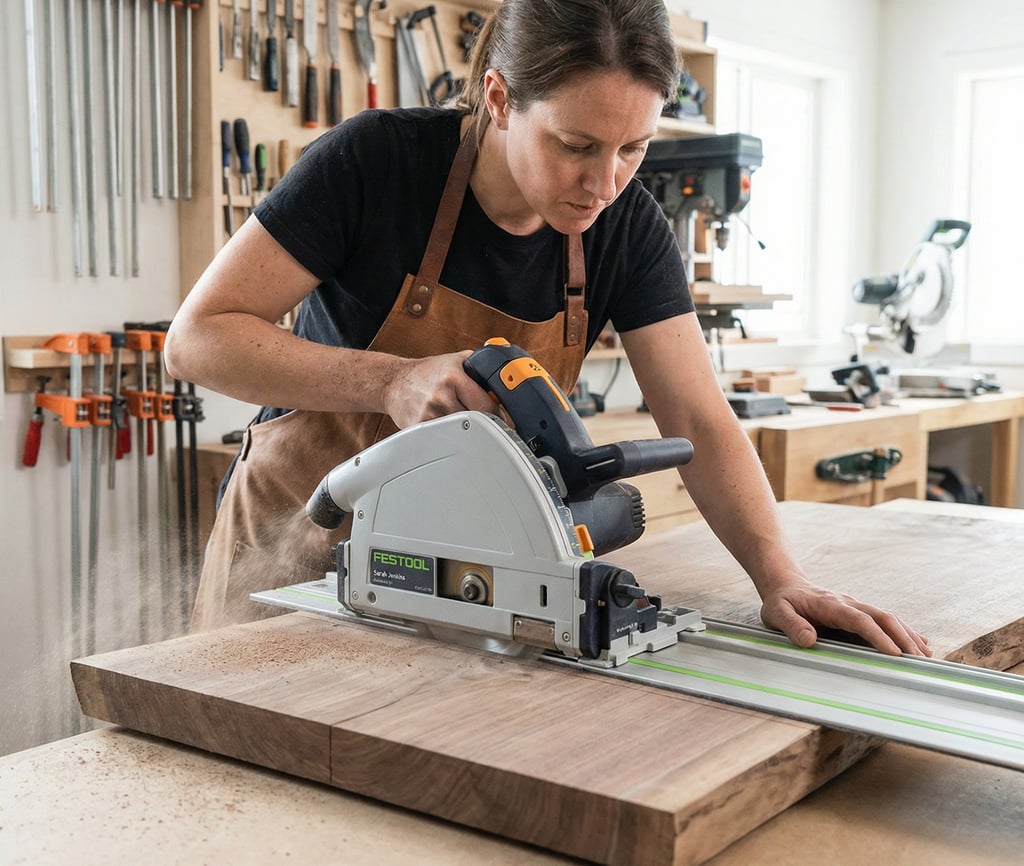
- A high-end track saw like the Festool TS55 (over $700) will give you straighter, cleaner cuts with less sanding compared to a $180 budget saw. I’ve done the math: saving two extra hours of sanding over four projects can cover the cost difference in labor alone.
- A quality speed square in the $20 range, like Veritas, will give you confidence in your layouts and last longer. Spending $150 on boutique squares gets you marginal gains that rarely justify the premium—something I learned after buying too many overpriced squares early on.
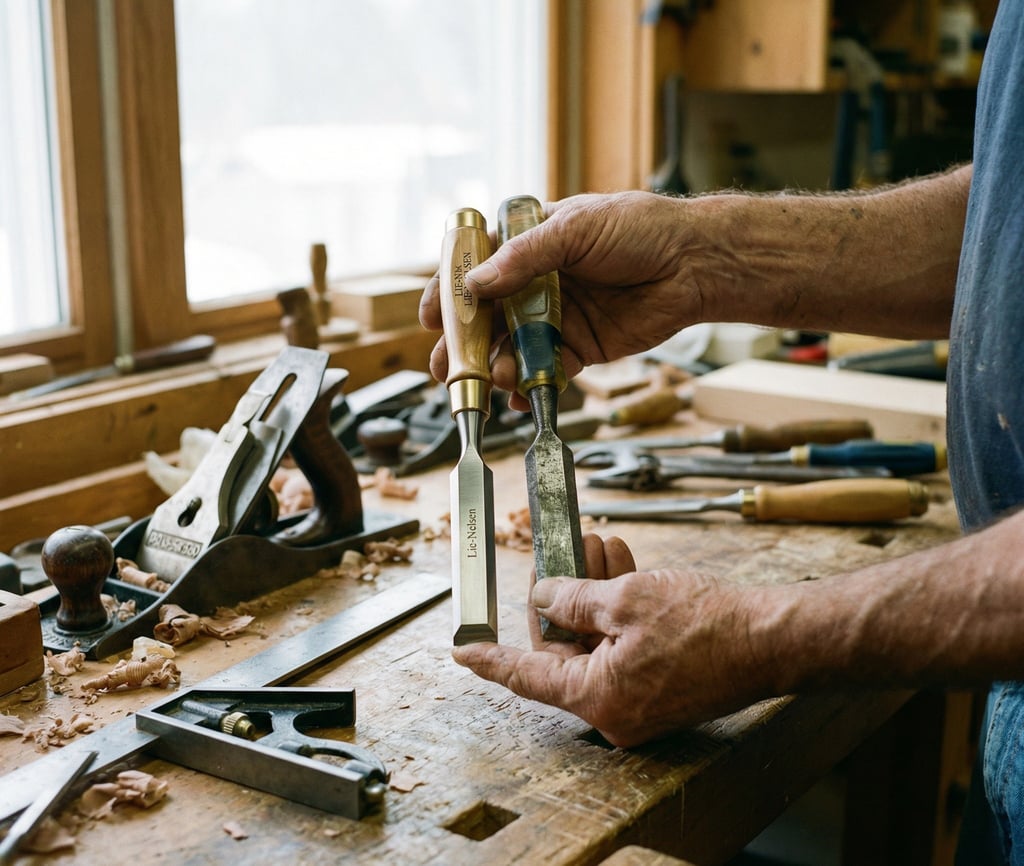
- For chisels, a decent $25-$50 set holds an edge longer and demands less work than the cheapest tools. It’s worth the slightly higher price if you plan to use them seriously.
Understanding Diminishing Returns
The jump from cheap to mid-range is where you get the most bang for your buck. Beyond that, improvements taper off. Knowing your needs helps avoid overspending on tools that don’t add practical value for your work.
Choosing What Works for You
Before buying, consider these questions:
- How often will I realistically use this tool?
- Is accurate precision critical to my projects?
- Can better tools save me time (and frustration) worth the extra cost?
- Am I prepared to maintain and sharpen cheaper tools regularly?
- Does a quality tool offer meaningful ergonomic or safety benefits?
If you’re just starting out, invest in solid mid-range tools and grow from there. For the regulars and pros, spending more upfront will save you headache, time, and repeated purchases in the long term.
What I’ve Seen Go Wrong
- People buying boutique tools way beyond their needs, like $150+ squares for basic framing. It’s overkill.
- Assuming all tools that look similar perform the same. Well, they don’t.
- Ignoring the time cost of fixing sloppy cuts made with cheap tools.
- Constantly upgrading tools before learning the craft itself.
A Quick Glossary
- Diminishing Returns: When spending more yields smaller and smaller improvements.
- Zero Clearance Insert: A table saw insert that helps reduce tear-out by supporting the wood close to the blade.
- Track Saw: A circular saw that rides on a guide rail for accurate, straight cuts.
Final Thoughts
There’s no one “right” answer here. Your buying choices should fit your frequency of use, accuracy needs, and budget. For those who work regularly or demand quality results, the old wisdom “buy once, cry once” holds firm. For beginners or occasional users, cheap tools can be a low-risk way to learn and experiment.
The key is knowing what matters to you and where cutting corners just doesn’t pay. Over the years, I’ve seen the wasted time and money that comes with buying ill-fitting tools—and avoided the same mistakes by choosing carefully. Hope you can do the same.