
Choosing beginner-friendly woods
Discover the best beginner-friendly woods to start your woodworking journey with ease. Learn which softwoods and hardwoods match your projects and skill level.
PROJECT BLOG 3 - CHOICES / PLANSEDITOR PICKS
Sawdust BuzzBlog Editorial Team - Led by AJ “Buzz” Eichman
2/11/20264 min read
Choosing Beginner-Friendly Woods: Because Your First Project Shouldn’t End in Tears (or Splinters)
Look, I get it. Starting woodworking is like starting to learn a new language—except your “words” are splinters, sawdust, and an ever-growing collection of unfinished projects. And just like language, the material you pick makes all the difference. Pick a monstrous hardwood like oak right out the gate, and you’re basically signing up for a “how to cry into your dust mask” workshop. So, what’s the sweet spot? Beginner-friendly woods that say, “Hey, no judgment here, just good vibes and smooth cuts.”
Why Picking the Right Wood Matters (Besides Saving Your Sanity)
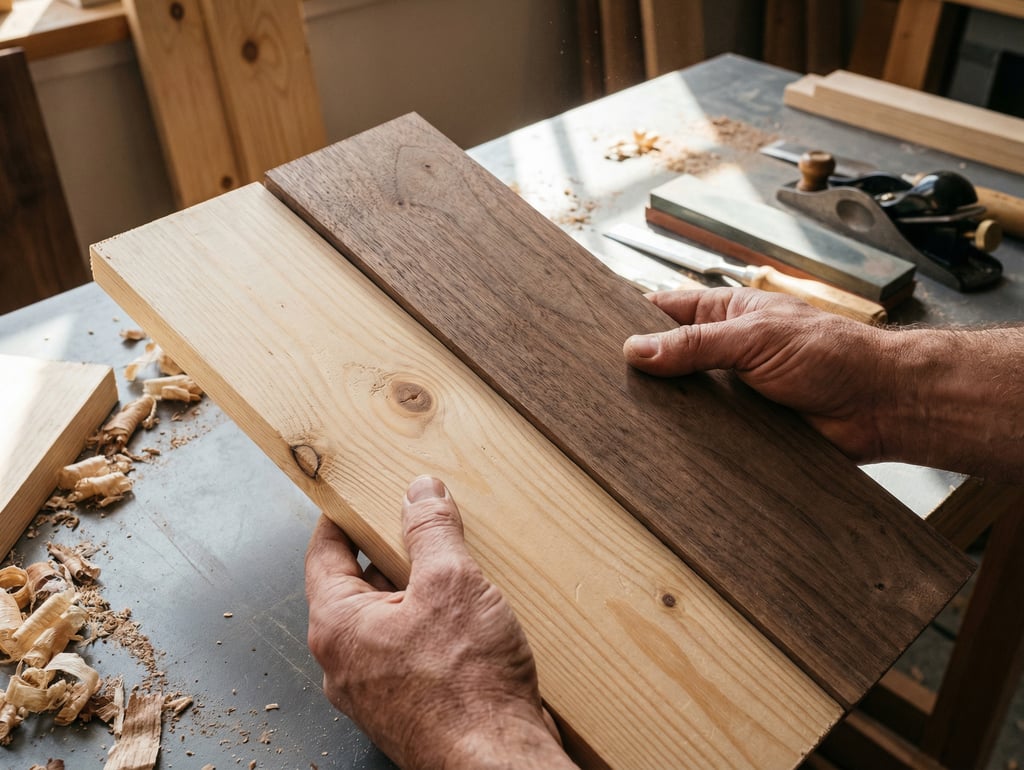
Let’s be real—if your tools had feelings, rough woods would be their mortal enemies. Softer woods are basically the spa day they need, while hardwoods like oak are the CrossFit of the woodworking world: effective but brutal. Softwoods help you ease in, aches and tears optional, while hardwoods require cue dramatic pause skill, patience, and knives sharp enough to slice through your ego.
Match your wood to the project, or you might end up with a pine bookshelf that looks like it survived a toddler’s tantrum—or worse, an outdoor planter that rots faster than my New Year’s resolutions.
Top Beginner-Friendly Softwoods (AKA The “Easy Mode” Woods)
Softwoods come from those evergreen showoffs—conifers. They’re light on your muscles and even lighter on your wallet. Here’s the VIP list for new wood-shapers:
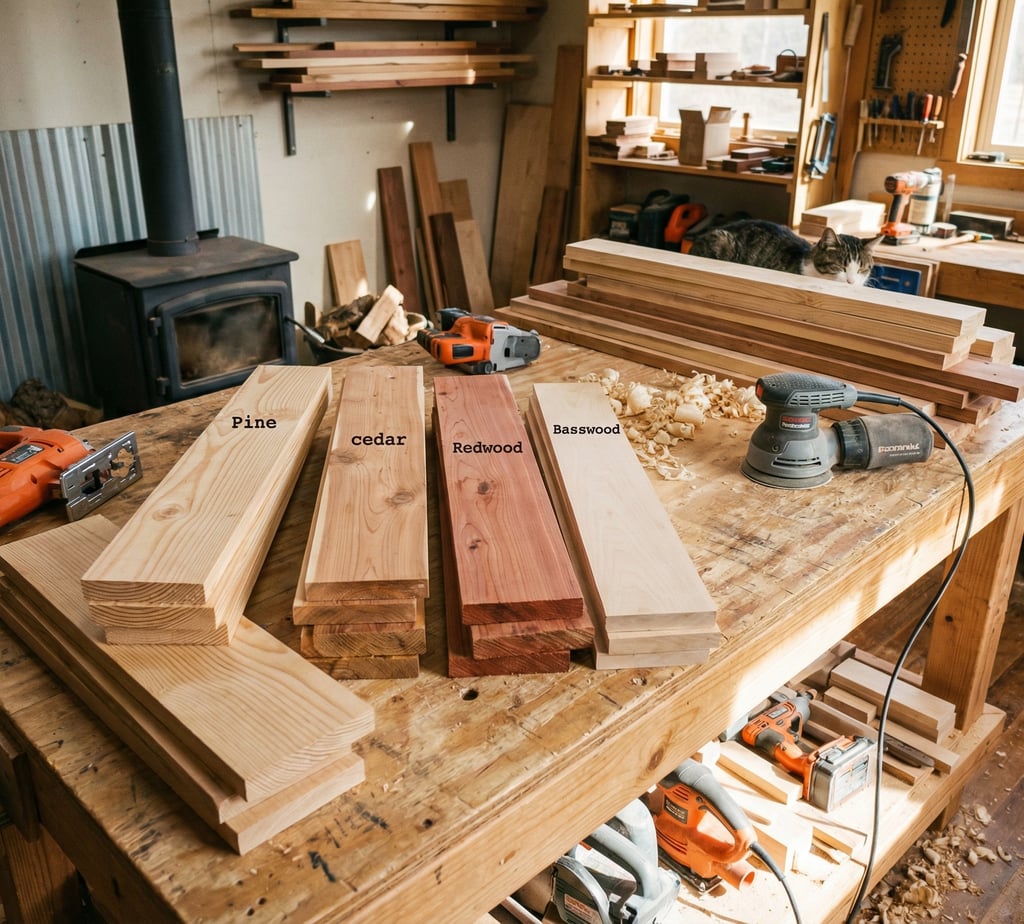
- Pine
The MVP of beginner woods. Affordable, easy to cut, and straight-grained enough to keep your tools happy. Just remember, it’s softer than my willpower around a cookie jar, prone to dents, and not your best bud outside without treatment.
- Cedar
The outdoorsy cousin who comes with natural insect repellent powers. Ideal for planters and garden furniture, cedar is easy to work with and won’t punch you in the face with splinters.
- Redwood
The fancy redhead with durability and stability. Easy to cut and resistant to warping, redwood is great for outdoor projects if you can snag it.
- Basswood
For those who want to carve masterpieces (or just want an excuse to pretend they’re a sculptor). Exceptionally soft and forgiving, basswood is the snowflake of woods—delicate but perfect for detail-oriented work.
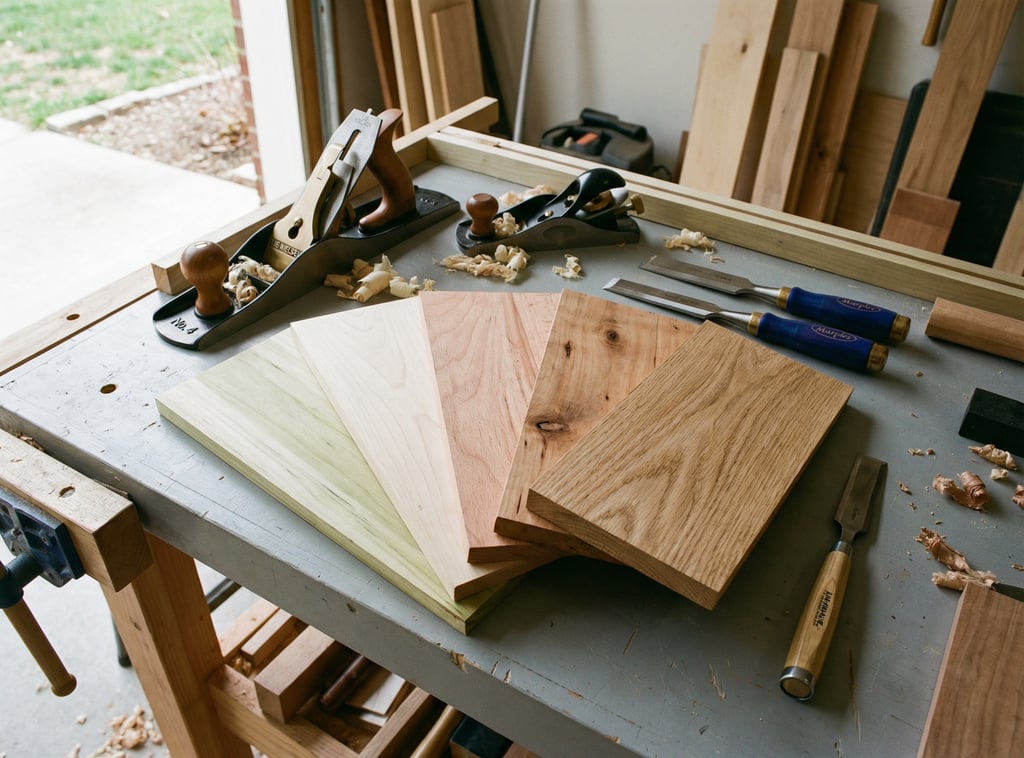
Best Starter Hardwoods (Because We All Love a Challenge… Sometimes)
Hardwoods are tougher—literally. They come from deciduous trees, which means more density, more beauty, and yes, more grunt work. But some are newbie-friendly:
- Poplar
The undercover hardwood that’s soft-ish and paints like a dream. If you want that smooth finish and don’t care as much about wood grain stardom, poplar’s your pal.
- Soft Maple
Softer than its hard cousins and stain-friendly, soft maple balances “easy enough” with “I’m actually doing something impressive.”
- Beech
The disciplinarian hardwood with fine grain and durability. You’ll need sharper tools, but beating beech into submission rewards you with solid, long-lasting results.
- Knotty Alder
Rustically charming with visible knots—no, those aren’t defects, they’re personality! Ideal for rustic furniture, it machines well and looks like you actually know what you’re doing.
- White Oak
The heavyweight champ in the hardwood arena. Not for the faint-hearted or faint-wristed, but with practice, it makes stunning furniture.
Wood Face-Off: Which Wood Fits Your Project Like a Glove?
| Wood Type | Pros | Cons | Best Projects |
|--------------|---------------------------------|------------------------------------|-------------------------------|
| Pine | Cheap, lightweight, easy cuts | Soft, dents easily, outdoor rot risk | Practice pieces, shelves, boxes |
| Cedar | Naturally insect-resistant | Pricier than pine | Outdoor planters, garden furniture |
| Redwood | Durable, stable, beautiful hue | Expensive, limited availability | Outdoor furniture, trim |
| Basswood | Soft, fine grain, great for carving | Weak, not durable | Carving, small crafts |
| Poplar | Affordable hardwood, paint-friendly | Plain grain, less “wow” factor | Painted furniture, cabinetry |
| Soft Maple | Balanced hardness, stain-friendly | Harder than softwoods | Furniture, flooring |
| Beech | Durable, fine grain | Tool-hungry | Durable furniture, tools |
| Knotty Alder | Rustic look, workable | Knots may weaken structure | Rustic furniture, cabinets |
| White Oak | Strong, attractive grain | Tough to cut, heavy | Durable furniture, flooring |
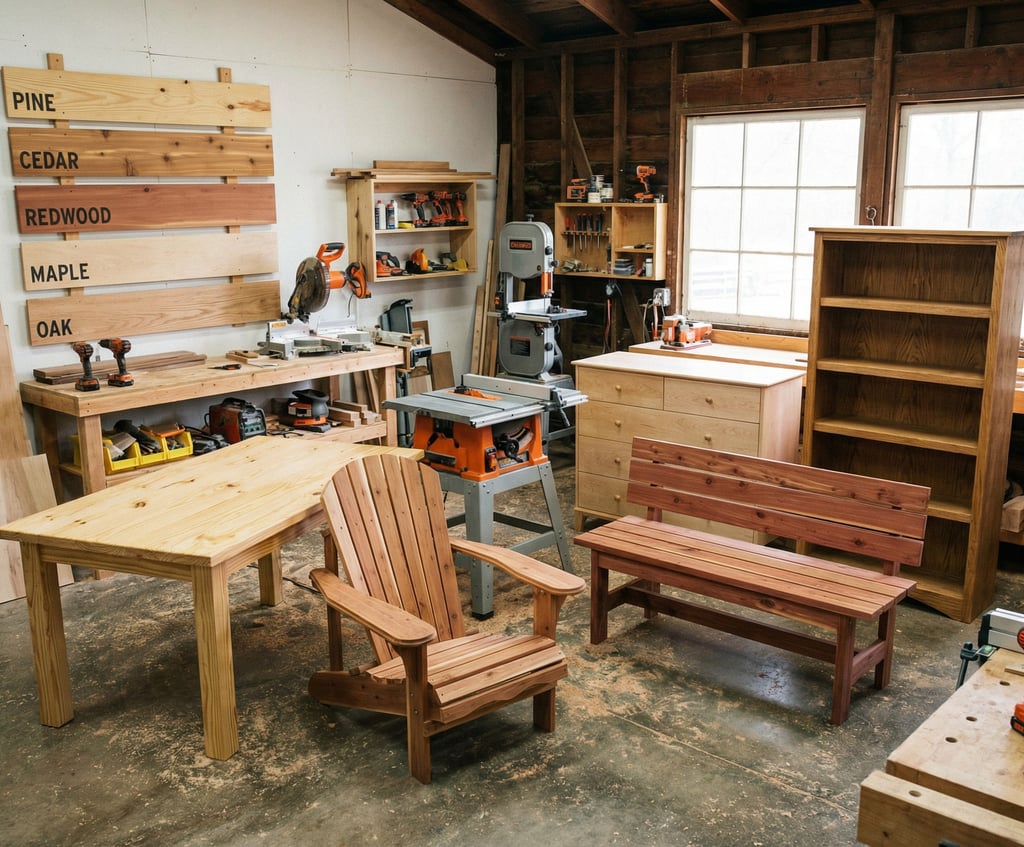
Pro Tips: Sourcing & Prepping That Wood (So You Don’t Cry More Than Necessary)
- Dry is your BFF. Seasoned wood means less warping drama.
- Inspect every board like you’re auditioning them for a reality show. Look for cracks and tricky knots.
- Avoid bargain-bin lumber from big-box stores for major projects unless you like surprises (like hidden rot).
- Start small, keep it simple, and build up your “wood cred” before tackling intimidating hardwoods.
- Match your tools to your wood. No rusty blades need apply.
Muddy Waters: Common Beginner Mistakes (Here’s What Not to Do)
- Trying to make “The Mona Lisa” out of oak your first day. Respect the grind, grasshopper.
- Forgetting treatment on pine for outdoor use. Spoiler alert: Nature wins.
- Disregarding grain direction and blaming your tools when the wood splits.
- Buying trash-quality wood hoping it will turn out “fine.”
FAQ Corner (Because You’re Still Here, Legend)
Q: Can I use pine outdoors?
A: Only if you treat it like royalty—seal, stain, and protect it. Otherwise, treat it like your favorite socks—indoor use only.
Q: Cheapest go-to wood for practice?
A: Pine wins the budget belt. Easy on your wallet and tools.
Q: Oak for beginners, yay or nay?
A: Nay. Oak is the “boss level.” Start with softwoods, then level-up your skills before tackling oak.
There you have it. Choose your woods wisely, treat your tools like gold, and prepare to impress even your most skeptical 7-year-old (who doesn’t get tax deductions but definitely judges your craftsmanship). And yes, this will be on the test.