
Choosing Woodworking Projects for Looks Only
Choosing woodworking projects for looks only can lead to cracks, warping, and frustration. Learn how to balance beauty with wood’s natural behavior.
PROJECT BLOG 4 - MISTAKES / SKILLS
Sawdust BuzzBlog Editorial Team - Led by AJ “Buzz” Eichman
2/11/20264 min read
Choosing Woodworking Projects for Looks Only: Common Pitfalls and How to Avoid Them
You ever picked a woodworking project because it looked like it belonged in a fancy magazine—and then found out halfway through that your beautiful piece is basically a fancy paperweight? Yeah, me too. Choosing woodworking projects for looks only is like dating someone just because they have a cool haircut: Sure, they catch your eye, but do they really fit your lifestyle? Spoiler alert: wood doesn’t play nice if you ignore the boring-but-crucial stuff.
Why Aesthetics-Only Projects Fail
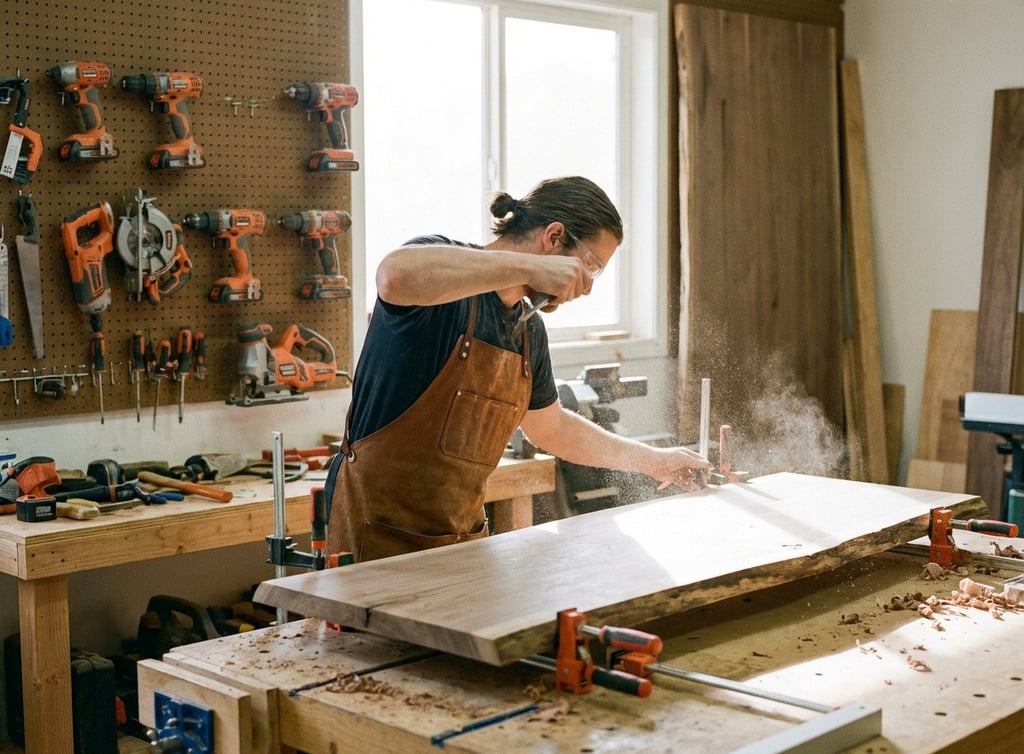
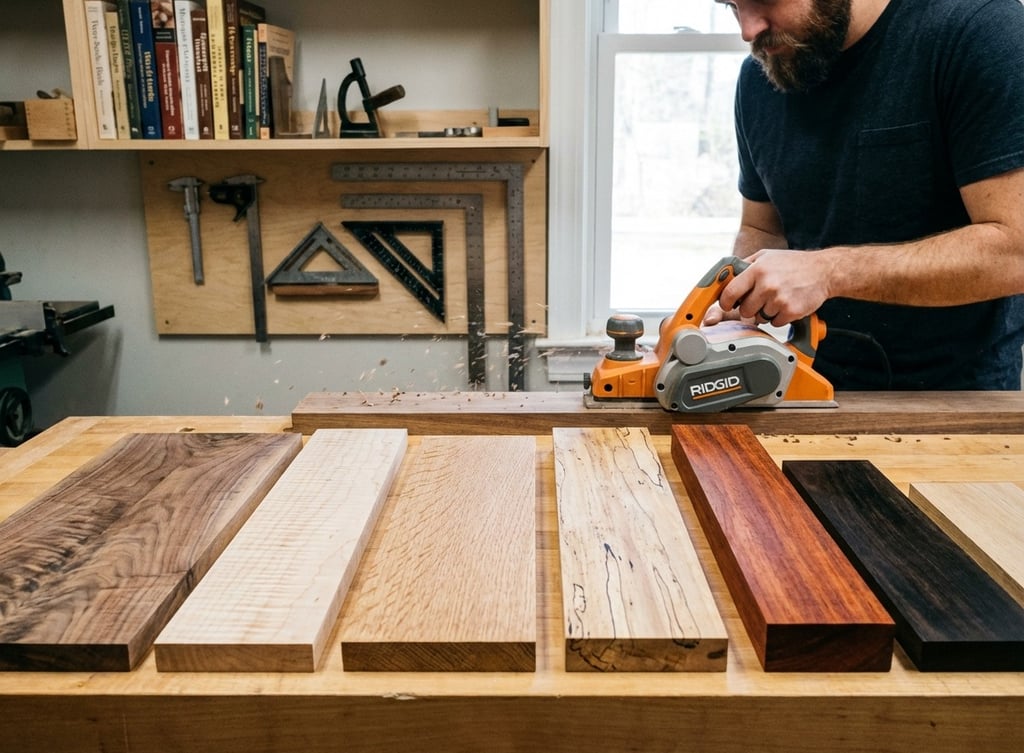
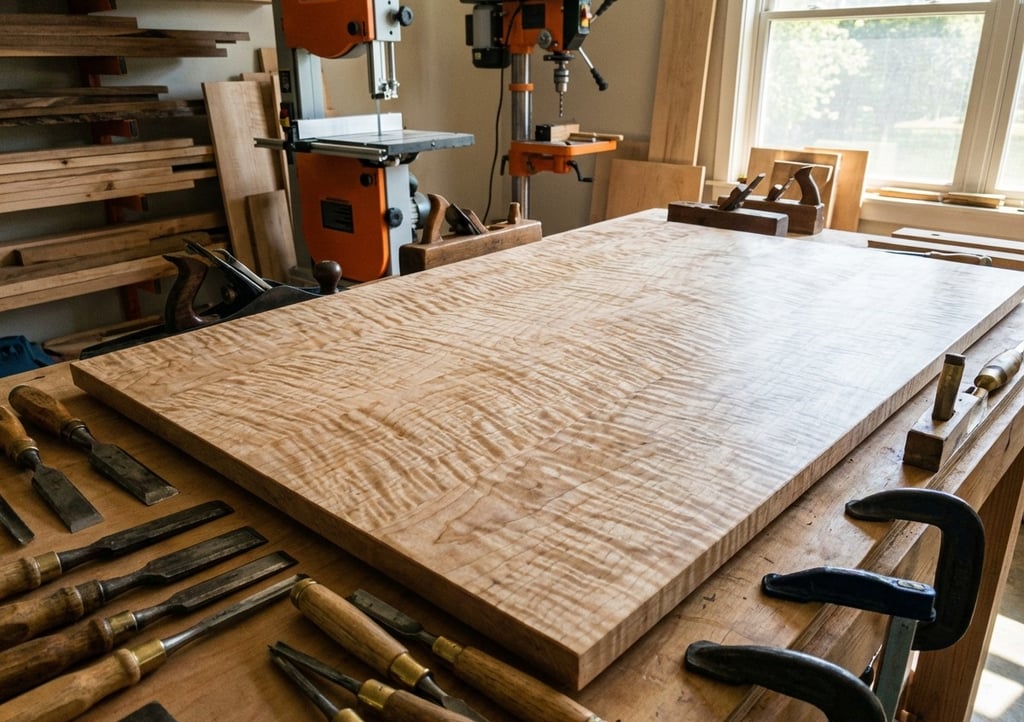
Let's get real. Wood isn’t just a pretty backdrop for your artisanal vibes—it’s a living, breathing material. It expands. It contracts. It has opinions about moisture and temperature hotter than your Aunt Karen at a family dinner. When you obsess over wood grain patterns or those crazy quilted maples like you’re auditioning for an art show, you might miss the fine print—wood loves to move, sometimes when you least want it to.
Trying to slap gorgeous wood on a gigantic tabletop without accounting for wood movement? Well, brace yourself for cracks, warping, and enough stress to give your joints (and coffee table) a meltdown. Choosing materials just for their good looks might turn your “masterpiece” into a “master fail” of instability and fragility. Beauty without brains? That’s a no-go.
**Takeaway:** Woodworking isn’t Instagram—underneath the wow factor needs to be solid structure or you’re basically making an expensive coaster.
Understanding Wood Properties for Balanced Design
Hot take coming in 3…2…1: wood is both artist and science experiment. Here’s why you want to understand it before choosing looks over sense:
- Wood Grain Patterns: Those swooshes and swirls? They’re like fingerprints. Book-matching is the DIY trick where you mirror those patterns—fancy, yes, but it’s more than decoration; it’s carpentry wizardry.
- Wood Movement: Imagine your wood is a moody teenager constantly changing size depending on humidity. Across the grain? That’s where it does all the emotional expanding and contracting, which means your joints have to be flexible—no tantrums allowed.
- Aesthetic Grades: Architectural Woodwork Institute (AWI) has this neat rating system: Economy (meh), Custom (pretty), and Premium (wow). Don’t put your deluxe wood on the bargain rack unless you want your beautiful project to scream “underachiever.”
- Species Hardness & Stability: Cherry and walnut? The cool kids—hard, stable, and easy on the eyes. Softer or “dramatic” woods need more TLC, or they’ll sulk and disappoint.
**Takeaway:** Know your wood like you know your favorite sitcom characters—inside out, flaws and all.
Common Mistakes (and How to Dodge Them Like a Pro)
Here’s a list of rookie errors from people who thought ‘looking good’ was the only criterion—and how you can avoid turning your project into a Pinterest fail:
1. Ignoring Wood Movement:
Slapping figured wood on a big panel without room to breathe → hello, cracks and splits.
- Pro tip: Use floating panels or breadboard ends—these design moves let wood “dance” without breaking a sweat.
2. Putting Figured Grain in Structural Parts:
Figured wood sometimes has a wonky grain direction that’s about as stable as a Jenga tower in an earthquake.
- Pro tip: Use figured wood for veneers or decorative surfaces only—leave the heavy lifting to the reliable straight grain.
3. Buying Economy Grade for Eye-Candy Pieces:
You wouldn’t rock flip-flops at a wedding, so why choose economy grade for your star piece?
- Pro tip: Splash out on Custom or Premium grades when the spotlight’s on your craft.
4. Forgetting Maintenance Needs:
Some stunning woods are divas—they want regular oiling, gentle hand-feeding, and maybe even a bedtime story.
- Pro tip: Choose woods that match how much of a caretaker you want to be.
5. Prioritizing Looks Over Function:
A piece can look like a million bucks but feel like a medieval torture device. Comfort matters, people!
- Pro tip: Think ergonomics and user needs before salivating over grain photos.
**Takeaway:** Good looks don’t pay the bills—or keep your furniture standing.
Selecting Projects: When Looks and Functionality Swipe Right
Okay, so you want your woodworking to be the full package: gorgeous and useful. Here’s some dating advice for your next project:
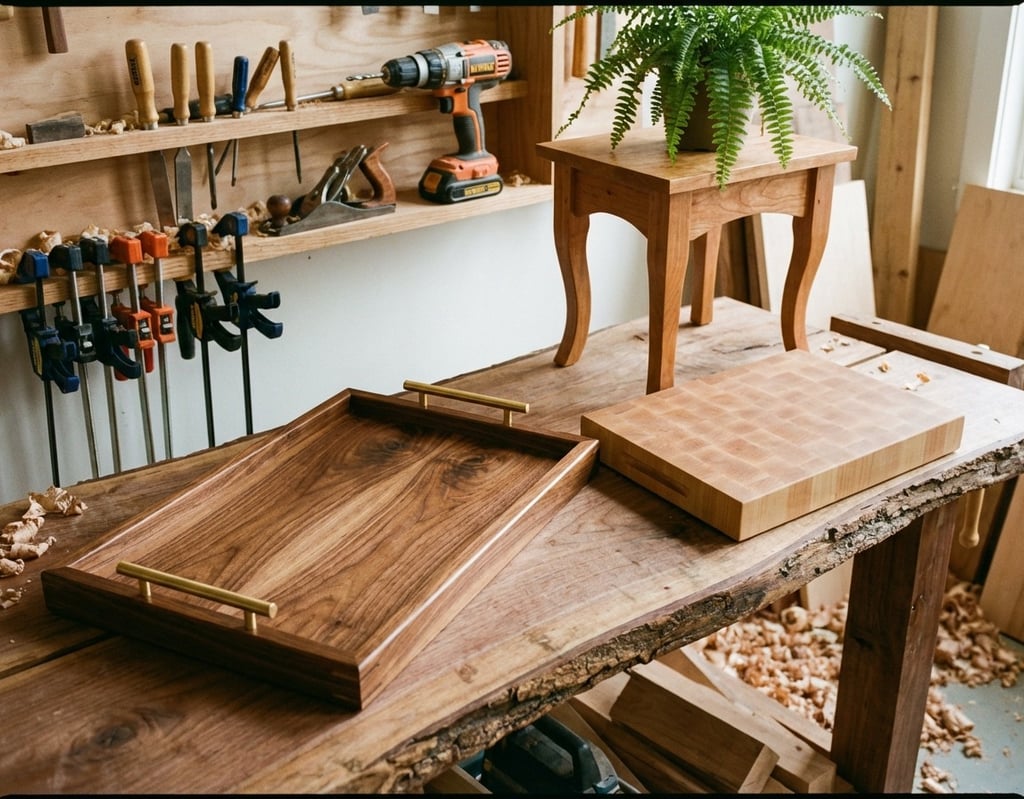
- Picture Frames: Show off wood grain and protect your niece’s finger paintings like a champ.
- Cutting Boards: Durable, practical, and with a grain so fine it gets compliments at dinner parties.
- Plant Stands: Pretty AND useful; your plants get a throne worthy of their Instagram.
- Serving Trays: Perfect for showing off intricate wood patterns while holding your dinner like royalty.
These projects keep you from turning your workshop into a modern art gallery no one’s allowed to touch.
**Takeaway:** Aim for projects that blend “look at me” with “lemme actually use this.”
FAQ
Q: What actually happens if I totally ignore wood movement for looks?
A: Cracks, warps, and joint meltdowns. It’s like ignoring your car’s check engine light and wondering why it’s smoking.
Q: Which woods are the all-stars for looking good and being stable?
A: Walnut, cherry, and maple—basically the Avengers of woodworking.
Q: Are AWI grades really a big deal?
A: Yes. They separate the “I slapped this together” from the “master artisan” pieces. Choose wisely.
Glossary of Fancy Terms
- Birdseye Grain: Tiny eye-shaped swirls that make wood look like it’s winking at you.
- Quilted Grain: Think: wood wearing a fancy, textured sweater.
- AWI Aesthetic Grades: The woodworking world’s version of school report cards—from “Needs Improvement” to “Straight A’s.”
- Wood Movement: Wood’s annoying habit of changing size based on humidity. Nothing personal, wood.
- Book-matching: Like mirror selfies—but for wood grain.
Beauty and brains—folks, that’s the woodworking sweet spot. Don’t just build a piece that looks like it belongs on a mantel, build one that works there, too. Your future self—and your coffee table—will thank you.