
Difficulty is About Tolerance, Not Size
Discover why woodworking difficulty is defined by tolerance and precision rather than project size and learn how to master the art of perfect fit.
PROJECT BLOG 2 - HOME / TEACH / DIFFICULTY
Sawdust BuzzBlog Editorial Team - Led by AJ “Buzz” Eichman
2/9/20264 min read
Difficulty is About Tolerance, Not Size: The Truth Behind Woodworking Challenges
Imagine you’re staring down a colossal wooden dining table thinking, “This beast must be impossible to build!” Meanwhile, your buddy’s making a tiny jewelry box and claiming it’s rocket science. Spoiler alert: They might be right. Woodworking difficulty isn’t about how big or intimidating your project looks—it’s about how precisely you have to make it fit together. Size is just the flashy exoskeleton; tolerance is the demanding heart that won’t take shortcuts.
Let’s unpack this puzzling paradox with a wink and a hammer.
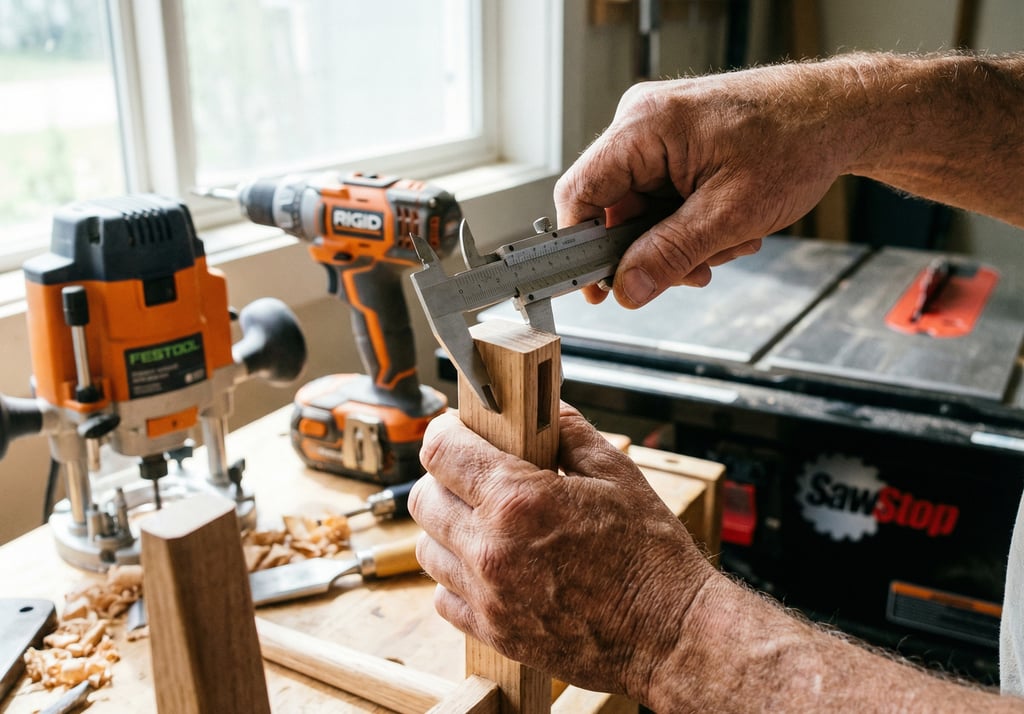
Tolerance Over Size: The Real Woodworking Boss
Tolerance is just a fancy word for how perfectly those wooden puzzle pieces click together. Tight tolerance means you’ve got to hit bullseye on measurements and cuts—or your whole thing could wobble, sag, or look like a kindergarten craft project. Loose tolerance? You get to wing it a little (or a lot) and still call it a day.
Take this example: a giant sorting box for your “miscellaneous junk” drawer versus a pint-sized chair fit for a Barbie doll. The sorting box just needs some rough edges and a bit of elbow grease. But the chair? Every cut has to be so on point that it doesn’t fold under an actual human’s weight. Tiny project, big headache.
**The moral:** Difficulty spikes when the fit demands meticulous accuracy, not when your project tips the scales in size.
The Big Four: What Makes Woodworking Tough?
If woodworking were a video game (yes, I’m turning this into a game), then these four tolerance bosses come up every. single. level:
1. Finding Flat Material
Because nature is drama queen and wood loves to twist and warp like a soap opera plot twist, hunting down flat, stable lumber is the quest’s first checkpoint.
2. Making Material Square
Nothing says “amateur hour” like trying to put together a crooked board. Squaring your edges gives that sweet baseline so your cuts and joins don’t become angry jumbles.
3. Joining Material Together
Whether you choose dovetails or dowels, every joint needs to slap-fit like your favorite jeans after quarantine. No wiggle room means stronger, prettier builds.
4. Structural Integrity Under Load
Load-bearing stuff (chairs, tables) needs an extra layer of precision so it doesn’t collapse when Uncle Larry sits down after a holiday feast.
Big, complex projects can sometimes be easier than teeny-tiny projects if they have loose tolerance—the four musketeers prove that.
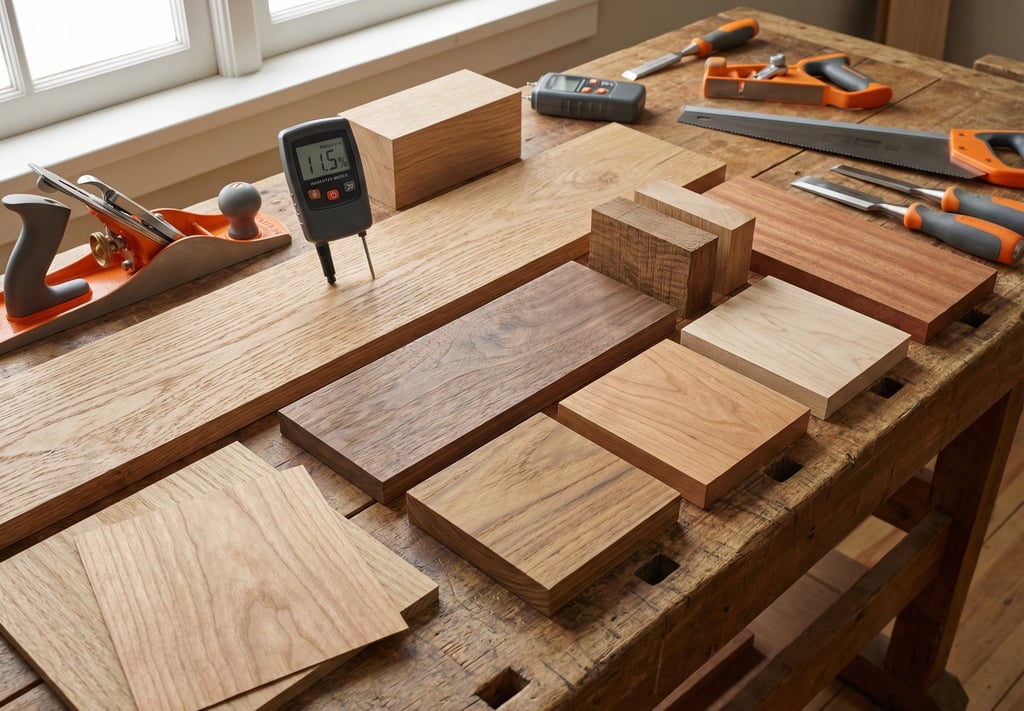
Wood’s Sneaky Nature: Why Tolerance Is a Moving Target
Wood’s basically like that unpredictable friend who changes moods based on environment. A few natural quirks make precision tricky:
- Moisture Content Mood Swings: Wood expands, contracts, and generally throws shade depending on humidity. This can leave you with gaps or warped edges faster than you can say “glue gun.”
- Warping & Twisting: Bad storage or funky grain means your perfect plank suddenly looks like it belongs in a modern art exhibit.
- Grain Drama: Oak, pine, maple—all have their little quirks. Oak might splinter if you look at it wrong; pine feels like butter and scratches from a toddler’s toy sword.
To keep your project in line, you’ve got to be a lumber whisperer: pick the good stuff, let it chill in your workspace to adjust (called acclimation, not meditation), and measure with the precision of a diamond cutter.
Precision Pitfalls That Make You Want to Throw the Saw
You’re this close to masterpiece status, then bam—*mess up*. Here are the classic plot twists:
- Bad Measurements: If you think measuring once is enough... congratulations, you just designed a loose-fitting puzzle.
- Off-Kilter Saw Blades: An unaligned blade is like a bad party guest—it messes up everything.
- Cutting Corners & Rushing: Patience is a virtue, my friend. Skipping prep feels like cheating until your chair falls apart mid-toast.
- Ignoring Wood Movement: This isn’t Hogwarts, and wood will betray you if you don’t respect its moisture mambo.
Fix these and you’re already ahead of 75% of weekend warriors.
Mastering Tolerance: Hacks for Precision Pros
Ready for some pro tips? Here’s your cheat sheet:
- Measure thrice, cut once: Not a drill—knock it into your brain.
- Jigs and guides: These little gadgets are your best friends for replicating flawless repeats.
- Choose quality wood: If your lumber’s got more knots than a sailor’s palm, don’t even start.
- Acclimate your wood: Let it get comfy with your workshop atmosphere before turning it into furniture.
- Dry-fit first: Think of this like a rehearsal dinner. If things don’t fit now, you can fix it before the big day (glue-up).
- Know your glue times: Wood glue is the diva in this story—too slow on assembly and it’ll stiffen without your pieces cooperating.
FAQ Time: Because Confusion Is Real
Q: Big project = hard project?
A: Nope. Sometimes it’s the tiny projects with strict fitting rules that make you question your life choices.
Q: Why do joints fail?
A: Mostly because of wonky cuts or ignoring how wood breathes and moves. Tolerance dropped the ball.
Q: How does wood movement mess with projects?
A: Imagine your wood swelling up like it’s had too many cups of coffee in a humid room. Joints loosen, surfaces gap—it’s chaos unless planned for.
TL;DR
If you think size equals difficulty, prepare to have your woodworking soul gently (or not-so-gently) corrected. The real curveball is tolerance—how tight your fit needs to be to keep your masterpiece strong, sturdy, and selfie-worthy.
Big or small, your success rides on how well you manage flatness, squareness, joint precision, and the boogie-woogie of wood’s natural quirks. Embrace patience, prep like a pro, and always respect your project’s “fit game.” Your future self (and your furniture) will thank you.
Now, get measuring... and try not to cut off a finger.