
Let Projects Dictate Tools
Discover why letting your projects dictate the tools you buy is the smartest way to build a woodworking kit over time, saving money and boosting skills.
TOOLS 4 - TOOL KITEDITOR PICKS
Sawdust BuzzBlog Editorial Team - Led by AJ “Buzz” Eichman
2/9/20264 min read
Building a Tool Kit Over Time: Let Projects Dictate Tools
When you’re setting up your workspace—whether woodworking, metalworking, or another craft—the biggest question is always the same: what tools do you actually need? Too often, folks jump in wanting to buy everything at once, chasing gear lists or the latest hype. I’ve been there, and believe me, that’s a fast way to overwhelm your shop, your wallet, and your confidence.
The better approach, one that stands the test of time, is to let your projects decide what goes into your tool kit. Tools should serve your work, not the other way around.
Why Let Projects Dictate Your Tools
Here’s the thing—buying tools on a whim usually wastes money and space, not to mention time spent figuring out gadgets that rarely get used. I’ve seen otherwise good makers get stuck with expensive toys gathering dust while ignoring the basics that actually make their projects work.
When your project dictates the tools, you:
- Save money by buying only what you need—exactly when you need it.
- Build solid skills, mastering tools one step at a time instead of trying to juggle everything at once.
- Focus on quality, getting versatile, dependable tools instead of a closet full of one-trick ponies.
- Keep your space manageable, avoiding clutter that stifles creativity and productivity.
Every tool you add should have a clear purpose. If it doesn’t, it probably doesn’t belong there.
Starter Tools That Fit Most Beginner Projects
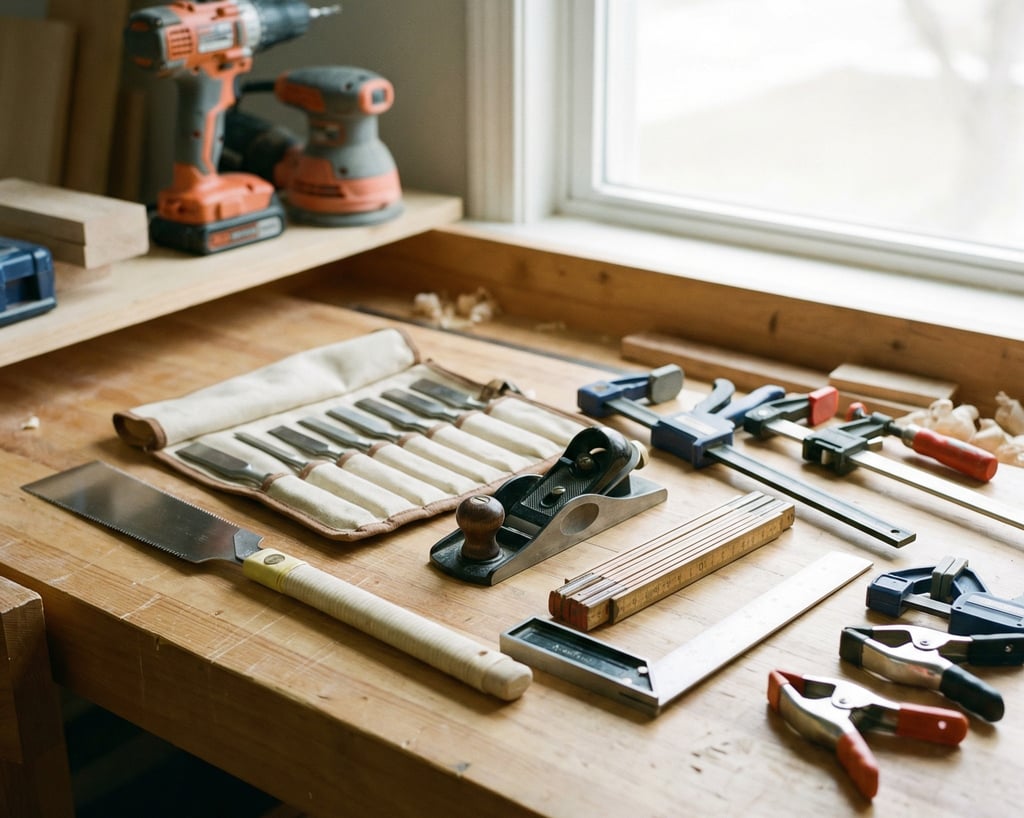
For woodworking, your first few projects typically involve measuring, marking, cutting, and simple joinery—nothing fancy. Here’s what I’ve found gets you through a lot without overwhelming the bench:
- Handsaws: Japanese Ryoba or Western back saws
Learn to cut well with these, and you’ll find they cover most rip and crosscuts on smaller lumber. The Ryoba’s pull stroke is forgiving and efficient—easy on beginners.
- Measuring and marking gear: marking gauge, marking knife, try square, straight edge, 30 cm ruler
Accuracy here saves a mountain of frustration later. These simple tools get precise layouts that lead to tight joints.
- Basic chisel set (1/4", 3/8", 1/2", 3/4", 1")
You’ll use chisels for cleanup and shaping joints more than you expect. Neglect this step, and your work will show sloppy edges.
- Block plane (preferably low-angle)
Great for trimming end grain and chamfering edges. It’s a fine finishing step that’s easy to overlook but makes a big difference.
- Clamps, various sizes
I’ll say it: you can never have enough clamps. They hold everything steady and make glue-ups a lot less miserable.
- Whetstone (1000/4000 grit)
Sharp tools cut better and safer. Don’t skip sharpening gear, or your chisels become frustrating blunt sticks.
These basics cover a broad range of starter projects and help build your confidence without a sprawling tool chest.
Adding Tools As Your Projects Demand
When you start tackling furniture or cabinetry, you’ll hit limits in your basic kit. Tools that make sense next include:
- Circular saw with combination blade
Efficient rip and crosscut on larger boards, combined with cordless drill/drivers for fastening, covers most mid-level work.
- Jigsaw
Useful for curves and more detailed cuts you can’t do with fences and straight saws.
- Miter saw or table saw
For complex furniture work, the repeatability and precision here save hours of second-guessing.
- Specialized saws like Dozuki backsaws
The fine teeth are perfect for joinery like dovetails and tenons, where accuracy counts.
- Additional hand tools such as files, rasps, and honing guides
These help refine your finishes and keep edges razor sharp.
The key is adding these when your projects genuinely require them—not before.
How to Avoid Tool Overload
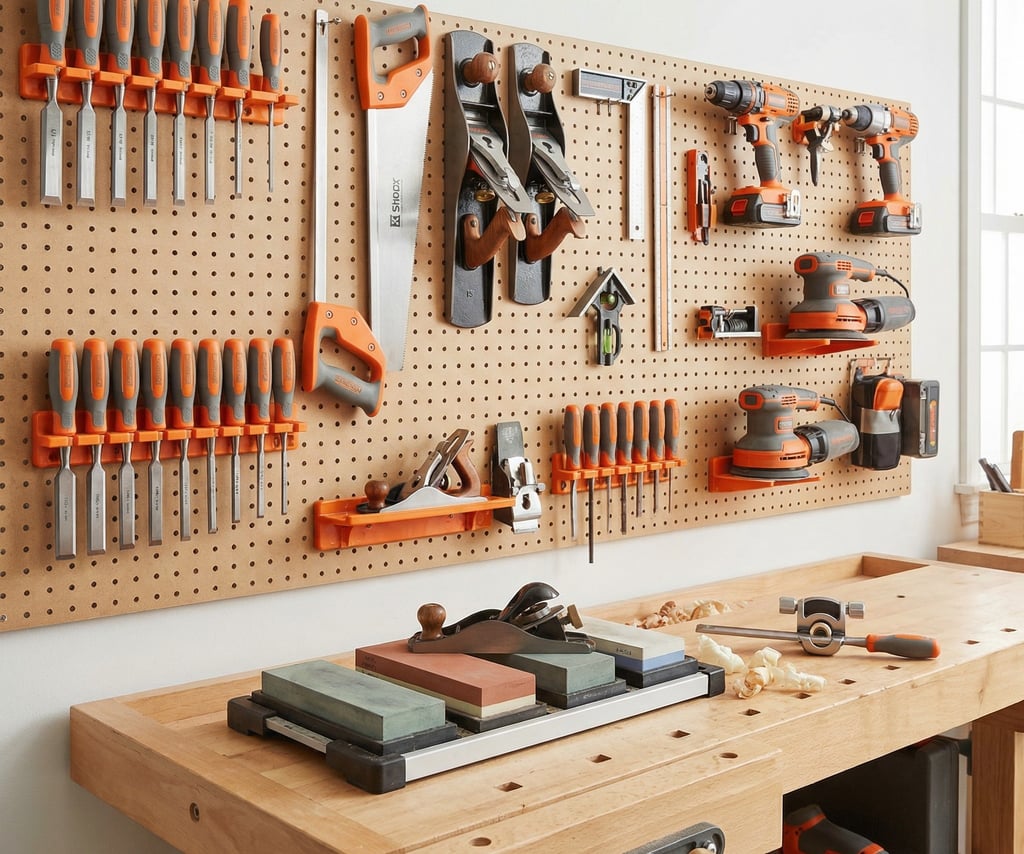
Jumping in with a full power-tool shop or a wall of hand tools only causes headaches:
- Expensive tools collecting dust because there’s no plan or skill to put them to work.
- Learning curves so steep you get discouraged.
- Neglected maintenance—sharpness and setup suffer, and so do your results.
Here’s what works better:
1. Write down what your next project needs.
2. Research to understand each required tool’s function and quality.
3. Buy a couple of tools, then practice until you know them well.
4. Maintain tools properly—sharpen often and clean up after yourself.
5. Repeat as your projects grow in complexity.
This steady, intentional build fosters skills and confidence. Ask me how I know.
FAQ
What are the first three tools a beginner truly needs?
A versatile handsaw (Ryoba or back saw), precise measuring and marking tools (try square, marking gauge, ruler), and a basic chisel set.
When is the right time to buy a new tool?
When a project stretches your current tools beyond their limits—like needing a power saw for big sheet goods or more precise joinery.
Are hand tools or power tools better for beginners?
Start with hand tools to understand the basics and get a feel for the material. Power tools speed up work later but come with their own learning curve and safety concerns.
Glossary of Terms
- Ryoba saw: Japanese saw with two cutting edges for ripping and crosscutting on a pull stroke.
- Dozuki saw: Fine-toothed Japanese backsaw, ideal for precise joints like dovetails.
- Try square: Tool for checking and marking 90° angles.
- Whetstone: Sharpening stone with multiple grits for maintaining tool edges.
- Block plane: Small hand plane for trimming joinery and softening edges, especially on end grain.
Conclusion
Building your tool kit by letting projects decide what you need isn’t just practical—that’s the way you get better at your craft, save money, and keep the joy alive. Focus on quality tools that serve current and upcoming projects and grow naturally from the work you do.
There’s a better feeling in the deliberate, steady path than chasing every new gadget. Your tools should be trusted partners—not distractions.
Take your time. Build wisely. The work will follow.