
PPE as Part of the Tool Kit
Discover why PPE is essential in woodworking safety, protecting you from hazards with the right gear, fit, and maintenance for a safer workshop experience.
TOOLS 3 - SANDING PREP / SAFETY / QUALITYBASIC - MEASURING / CUTTING / SAFETYSHOP 3 - LIGHTING / DUST / SAFETYEDITOR PICKS
Sawdust BuzzBlog Editorial Team - Led by AJ “Buzz” Eichman
2/9/20264 min read
PPE as Part of the Tool Kit: Essential Safety Gear for Woodworking and Beyond
When it comes to setting up your workspace, PPE—Personal Protective Equipment—deserves a spot right alongside your best tools. Over the years, I’ve seen more than one project sidetracked or worse, serious injury, because someone skipped what felt like small steps toward protection. PPE isn’t just a suggestion; it’s part of the job’s fundamentals. Treat it like your tool set—only here, the goal is protecting yourself from the hazards wood and machines throw your way.
What Is PPE and Why Bother?
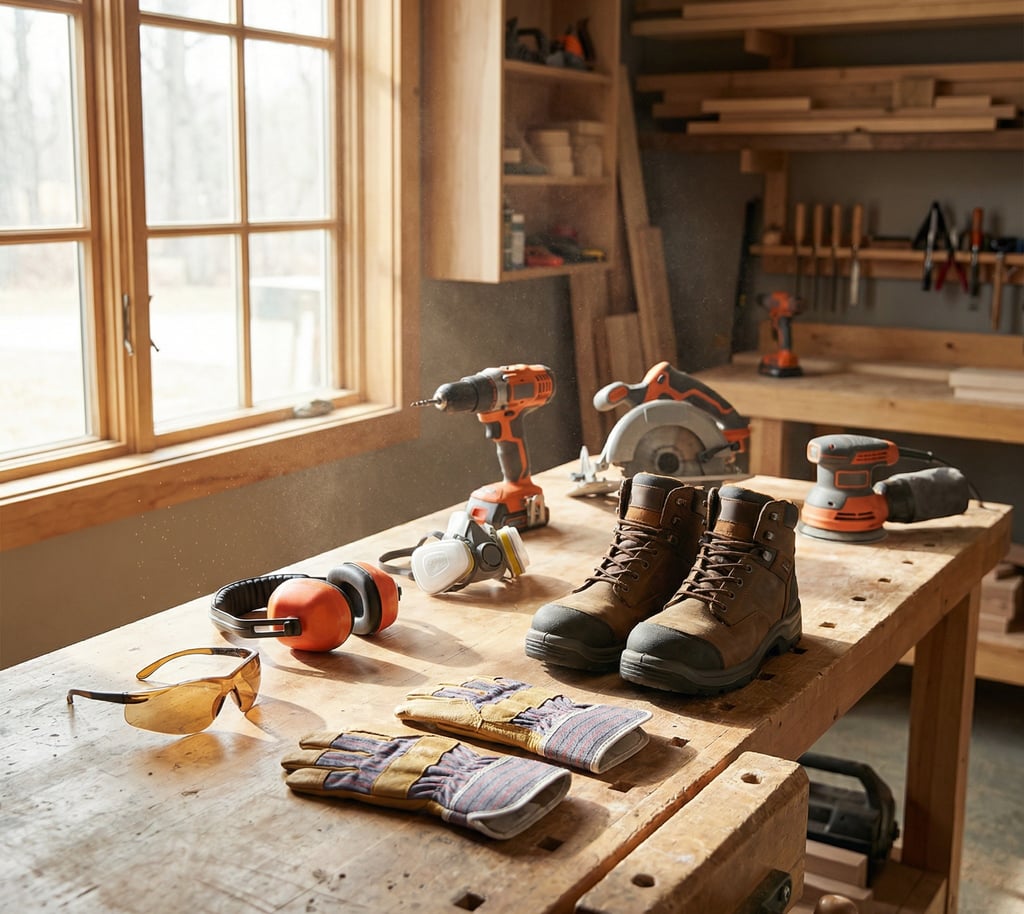
PPE is the gear you wear to keep yourself safe from hazards that are hard to engineer out of your workspace completely. In woodworking or construction, we deal with flying debris, harmful dust, loud noise, sharp blades, and sometimes chemicals. PPE covers your vulnerable areas like eyes, ears, lungs, hands, and feet, where injuries are common.
I’ve noticed too many folks think PPE is optional once they've got guards on machines or dust collection running. It’s not. OSHA requires PPE as a supplement to those controls—not a replacement. Without proper PPE, you're leaving open the kind of exposure that often results in injuries you’ll be nursing for weeks. Ask me how I know.
The Basics: Essential PPE Gear You Should Have
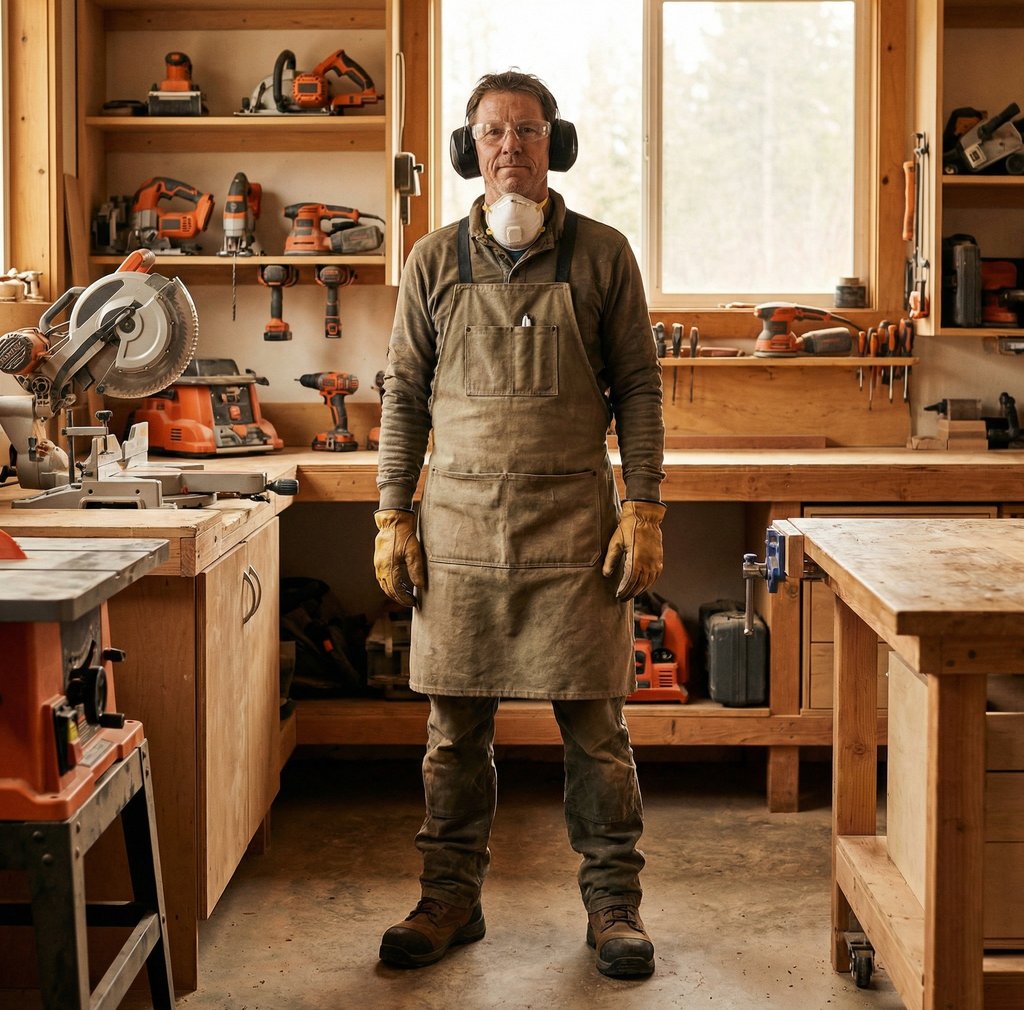
From my experience, whether you’re working in a shop or a job site, you’ll want to focus on these core PPE categories:
Eye Protection
Safety glasses or goggles are non-negotiable around woodworking machines. Flying chips and dust seem harmless until one gets in your eye. I’ve seen a coworker sidelined from surgery for a single missed pair of glasses. Face shields belong to heavier-duty tasks but do have their place.
Hearing Protection
Power tools generate noise levels that will kill your hearing over time. Earplugs or earmuffs are the simplest fix—but they have to be worn consistently. One day "just this once" will cost you permanent hearing loss down the road.
Respiratory Protection
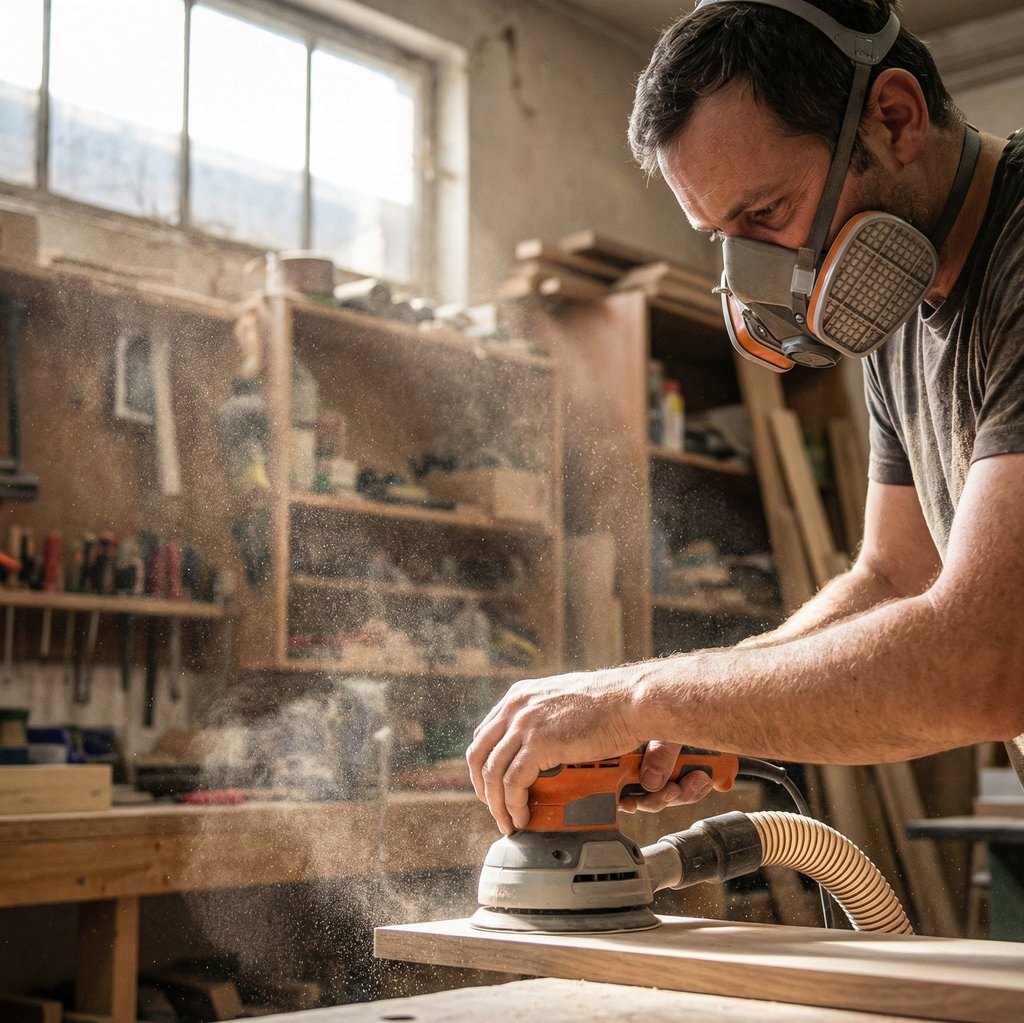
Dust masks or respirators matter more than most beginners realize. Fine dust from wood or finishes settles deep in your lungs and causes real health problems later. I prefer NIOSH-certified respirators when the dust is airborne and thick—don’t cut corners here.
Hand Protection
Gloves protect against cuts and chemicals, but they have to fit tight enough not to snag on anything rotating. Loose gloves are a hazard themselves—something I’ve witnessed cause a nasty accident. Know your gloves and when to wear them.
Foot Protection
Steel or composite-toe boots will save your toes if something heavy falls or when stepping on discarded nails or blades left on the floor—trust me, it happens more often than you want to admit.
Body Protection
Aprons and sleeves guard against splinters, burns, or chemicals. Loose clothing is a common culprit in accidents, so stay practical but protected.
Why PPE Is More Than a Checklist: Understanding Hazards
Knowing the dangers you face helps you respect your PPE. Flying debris can take out an eye in an instant. Noise from power tools isn’t just annoying; it’s a slow destroyer of hearing. Dust and fumes, often invisible, quietly cause respiratory diseases.
Most accidents I’ve had or seen come down to ignoring these risks because “this won’t happen to me.” The truth is exposure adds up quickly if you let it. It’s not glamorous, but consistent use of PPE will keep you working longer and healthier.
Getting PPE Right: Fit, Maintenance, and Training
PPE is only as good as how you use it. Here’s what often goes wrong:
- Ill-fitting gear that’s uncomfortable gets tossed off mid-shift.
- Failing to replace damaged or worn-out equipment—a cracked lens or torn glove might as well be no protection at all.
- Skipping training on how to wear, use, and maintain PPE properly. Respirators, in particular, require fit testing and regular cleaning to do their job.
In my shop, we prioritize comfort and quality—not just to check a box, but to ensure gear is used consistently and correctly.
PPE Isn’t a Standalone Solution
Don’t fall into the trap of treating PPE like a silver bullet. It’s the last line of defense. First, use engineering controls like dust collectors, machine guards, and procedures that reduce hazards. PPE comes in when those aren’t enough.
A comprehensive safety strategy includes:
- Guarding machines against contact
- Maintaining clean air and surfaces
- Establishing safe work habits
- Regular safety audits
- Training and emergency preparedness
Combine these practices with PPE, and you’ve built a safer workspace.
What to Avoid: Common PPE Mistakes
- Wearing loose gloves or clothes near spinning blades—this is one of those mistakes that feels optional until it costs you a finger.
- Ignoring respiratory protection when the dust looks light—it hides where you can’t see.
- Using cheap, uncertified gear to save money—this can backfire faster than you think.
- Depending solely on PPE without addressing the root cause of hazards.
- Neglecting inspection and maintenance—old safety gear won’t protect you.
FAQ: Is Non-Certified PPE Ever OK?
Short answer: Not if you care about your safety. Certified PPE, like NIOSH respirators or ANSI-rated glasses, meet tested standards. Using uncertified gear is a gamble you can’t afford. It’s like using a dull saw blade—it might do the job, but you’re adding risk unnecessarily.
Final Thoughts
PPE is an essential part of your toolkit for a reason. It’s not just about compliance—it’s about keeping you safe for the long haul. When combined with thoughtfully chosen engineering controls and disciplined work practices, PPE keeps injuries and illnesses at bay. Invest in gear that fits, maintain it well, train thoroughly, and embed safety into every task.
In my years, protecting yourself this way isn’t just wise. It’s necessary.
If you’re looking for guidance on which PPE to select for your specific shop or need advice on maintenance routines, I’m here to help. It pays to get it right from the start.