
Proper Sanding Sequences
Learn the essential sanding sequences to prepare wood surfaces properly, ensuring smooth finishes and long-lasting woodworking results.
BASIC - JOINERY/ WOOD MOVEMENT / SANDINGWOOD & FINISH 3 - SANDING / SURFACE PREP
Sawdust BuzzBlog Editorial Team - Led by AJ “Buzz” Eichman
2/8/20265 min read
Proper Sanding Sequences: How to Prepare Wood Surfaces Right
Sanding is one of those woodworking steps that many treat as a formality—something you rush through or skip when pressed for time. I’ve seen the results of that approach more times than I care to count: uneven finishes, visible scratches, blotchy stain absorption. Those are avoidable problems if you respect proper sanding sequences. Over the years, I learned that getting this right upfront saves headaches and rework later. Here’s what I’ve settled on as a reliable approach, so you can build skills that last.

Why Follow a Proper Sanding Sequence?
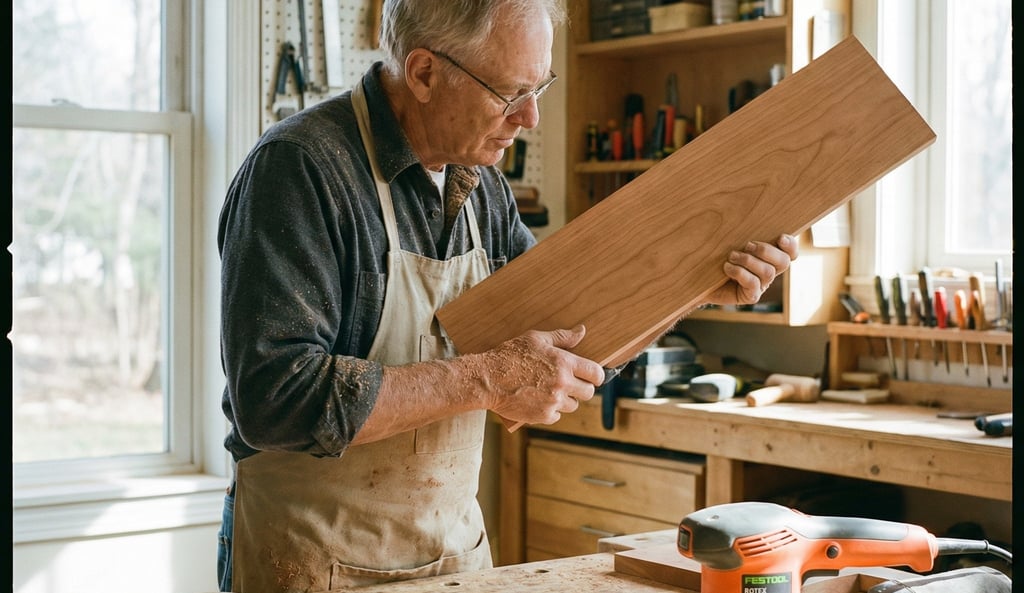
Sanding isn’t just smoothing. It’s about removing defects methodically and preparing the wood surface so a finish can bond properly and look even.
- Coarse grit removes rough spots and mill marks.
- Each finer grit removes scratches left by the previous, coarser grit.
- If you skip grits or sand against the grain, you risk leaving scratches visible through your finish.
- Proper progression prevents sanding haze or blotches, especially under stains or oils.
- Following the sequence also extends the life of your sandpaper and power tools by working efficiently, not harder.
This is one of those steps that feels optional until you’ve had to sand a project all over again because the initial grit progression doomed the finish. Ask me how I know.
Common and Effective Grit Progressions
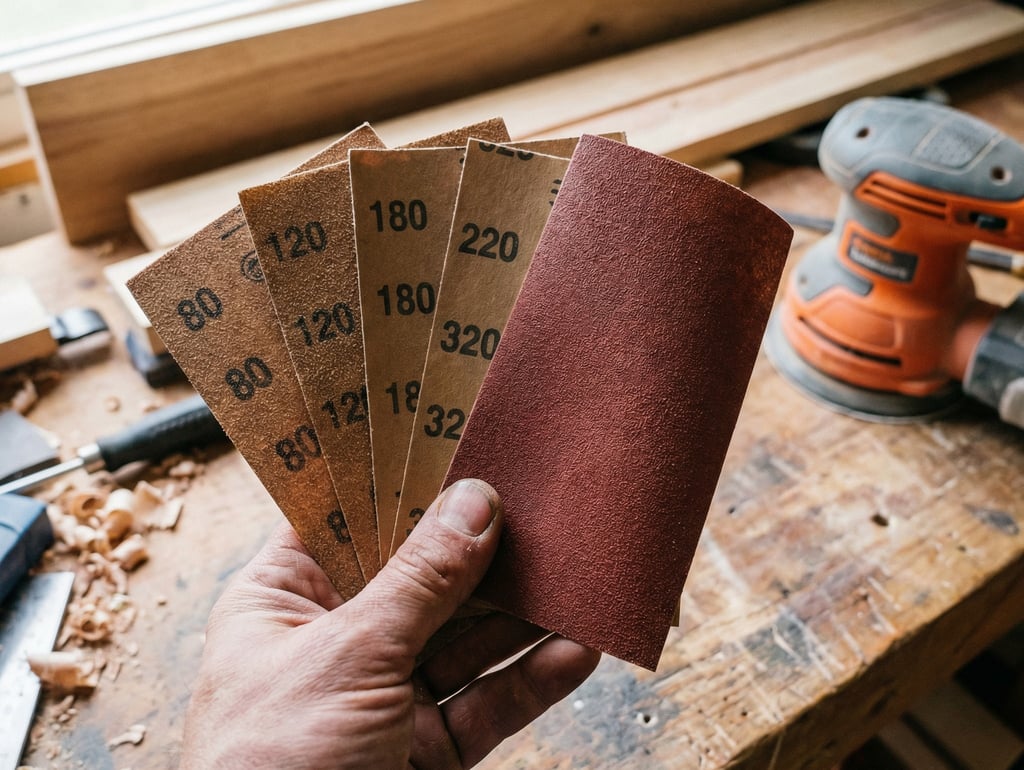
Here’s a basic sequence I rely on for most hardwoods and softwoods that will see a stained or clear finish:
- 80 grit: Start here only if you’re dealing with rough surfaces, deep scratches, or removing old finishes.
- 100 or 120 grit: Knock out scratches from the 80 grit and begin smoothing the surface.
- 150 grit (optional): Use if you want to blend the surface more gently before finer grits.
- 180 grit: Prepares the wood for final sanding steps.
- 220 grit: The go-to for final sanding with most oil-based finishes, varnishes, or paints.
- 320 grit or finer: Reserved for staining or final sanding between finish coats.
If you’re working with end grain or very hard wood, I prefer starting sanding on the end grain with 150 or 180 grit, across the grain, then move through the progression following the grain itself.
Skipping grits—like going from 80 directly to 180—will leave deeper scratches you can’t sand out without redoing the whole process. It always costs more time.


Hand Sanding: The Basics That Matter
Hand sanding feels slow but gives you more control. Here’s what I stick to in my shop:
- Use a flat sanding block: Wrapping sandpaper around a block ensures even pressure. Without it, your hand causes dips and uneven surfaces.
- Always sand with the grain: Sanding against it leaves scratches that show in the finish.
- Use light, even pressure: Let the sandpaper do the work. Pressing hard wears it out faster and risks uneven sanding.
- Overlap your strokes: This guarantees full coverage and avoids missed spots.
- Mark the wood with pencil before changing grits: The pencil lines show you where you haven’t sanded enough—an easy way to avoid sanding too little or too much.
- Clean between grits: Dust and grit left on the surface will scratch the wood as you move forward—vacuum or tack cloth it off properly.
If the piece has curves or profiles, swap to a rubber or foam sanding block shaped to the contour. You want to maintain consistent contact everywhere.
Using Power Sanders Properly
Power sanding speeds the job but introduces a few pitfalls if you’re not careful:
- Always place the sander flat before turning it on, and turn it off before lifting.
- Use only moderate pressure; pressing too hard can gouge the wood.
- Stick to the same grit sequence you would hand sanding.
- Finish off by hand sanding to remove random orbit marks and achieve grain-aligned scratches.
Special Cases: End Grain and Contours
End grain is notoriously tricky. It soaks up finish differently and raises fibers if you don’t prepare it properly.
- Start end grain sanding with 150 or 180 grit across the grain to level raised fibers.
- Then sand the whole piece following the grain with finer grits like 220.
- Finish back on the end grain with 320 grit to get it as smooth as possible.
For contoured or detailed shapes, fold your sandpaper into smaller pieces or use flexible sanding tools for even coverage.
Tools and Sandpaper Tips to Keep in Mind
- Keep a decent quality sanding block handy for flat sections.
- A rubber or foam profile sander can save time on curves, keeping consistent pressure.
- A random orbit sander is your friend on big, flat areas but only if used correctly.
- Tear sandpaper into smaller sheets sized for your sanding grips. Replace when it gets dirty or clogged.
Common Mistakes That Cost Time and Money
- Sanding against the grain — leaves marks that don’t sand out easily.
- Skipping grit steps — leaves coarse scratches visible in the final finish.
- Not cleaning dust between grit changes — traps grit causing scratches.
- Applying uneven pressure or missing spots — use pencil marks for coverage checks.
- Starting with too coarse a grit or over-sanding — can gouge or thin your project surface.
FAQs on Sanding Sequences
Is it OK to skip grits?
It’s tempting but skipping grits almost always leaves harder-to-remove scratches behind. Gradual progression is slower but pays off in surface quality.
What is the finest grit I should sand before finishing?
Between 180 and 220 grit usually works well for most finishes. For sensitive staining or oils, going to 320 grit is fine, but beyond that can reduce finish adhesion.
What happens if I sand across the grain?
You’ll end up with scratches that show through the finish and steal the look of your project. It’s a rookie mistake but one I’ve made enough times to give fair warning.
Closing Thoughts
Sanding isn’t glamorous, but it’s one of those foundational skills you want to get right. Follow a consistent grit sequence. Sand with the grain. Use the right tools. Invest the time to prepare your wood properly, and the finish will look as good as you hoped — or better. In my shop, this approach has saved projects from going sideways more times than I can count. Stick to it, and your work will stand on a solid foundation.
If you want, I can help you drill down on sanding products or techniques for specific woods. There’s no substitute for experience, but sharing what I’ve learned helps keep your mistakes manageable.
*Woodworking Basics: Building Skills That Last* depends on laying a strong foundation one step at a time. Sanding right is one of those steps.