
Proper Woodworking Tool Setup
Learn the essentials of proper woodworking tool setup to improve safety, precision, and maintenance in your workshop for lasting craftsmanship.
TOOLS 3 - SANDING PREP / SAFETY / QUALITYBASIC - MEASURING / CUTTING / SAFETY
Sawdust BuzzBlog Editorial Team - Led by AJ “Buzz” Eichman
2/8/20264 min read
Proper Woodworking Tool Setup: Ensuring Safety as Your Core Skill
Woodworking is a rewarding craft, but it’s not without risk. I’ve spent enough time in the shop to know that accidents don’t usually happen because of a lack of skill—they happen because something as fundamental as tool setup was overlooked. Proper tool setup isn’t a nice-to-have, it’s the foundation of staying safe and doing clean work. When your tools are dialed in right, you reduce surprises, improve cutting accuracy, and keep yourself out of harm’s way.
This is where I want to focus today: how to properly set up your woodworking tools, how to keep them in safe shape, and why these basics matter more than chasing the latest gadget or trend.
Why Precise Tool Calibration Matters
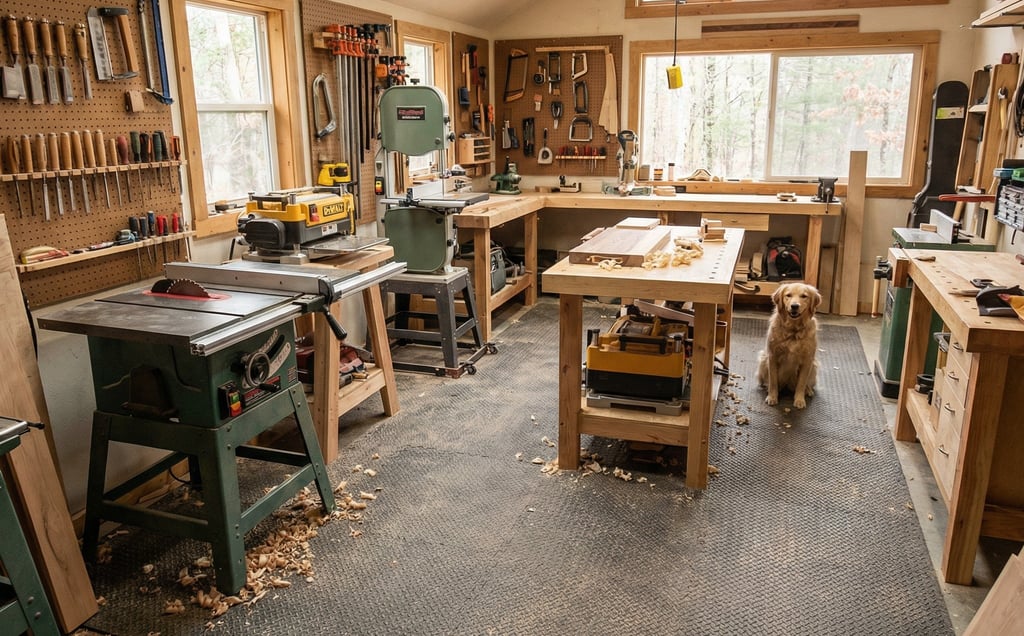
I can’t stress enough: misaligned tools are a common source of trouble in any shop. Take the table saw as an example. If your blade isn’t perfectly square to the table or your fence isn’t parallel to the blade, the wood won’t feed predictably. That’s a shortcut to binding or worse—kickback. Ask me how I know.
It’s not just table saws—routers, lathes, band saws—they all rely on precise setup:
- Blade and fence alignment on table saws to prevent binding and kickbacks
- Blade tension on band saws for smooth, controlled cuts
- Bit depth and speed on routers and drill presses for clean edges and chip-free cuts
- Lathe chuck and tool rest positioning to avoid vibration and loss of control
Skimping on recalibrating tools is one of those “optional” steps that will come back to bite you, often when the price is steep.
**Tip:** Use a combination square, dial indicator, and your machine’s manual. Don’t assume last time’s settings are still good.
Inspecting Tools: Maintenance Is Safety
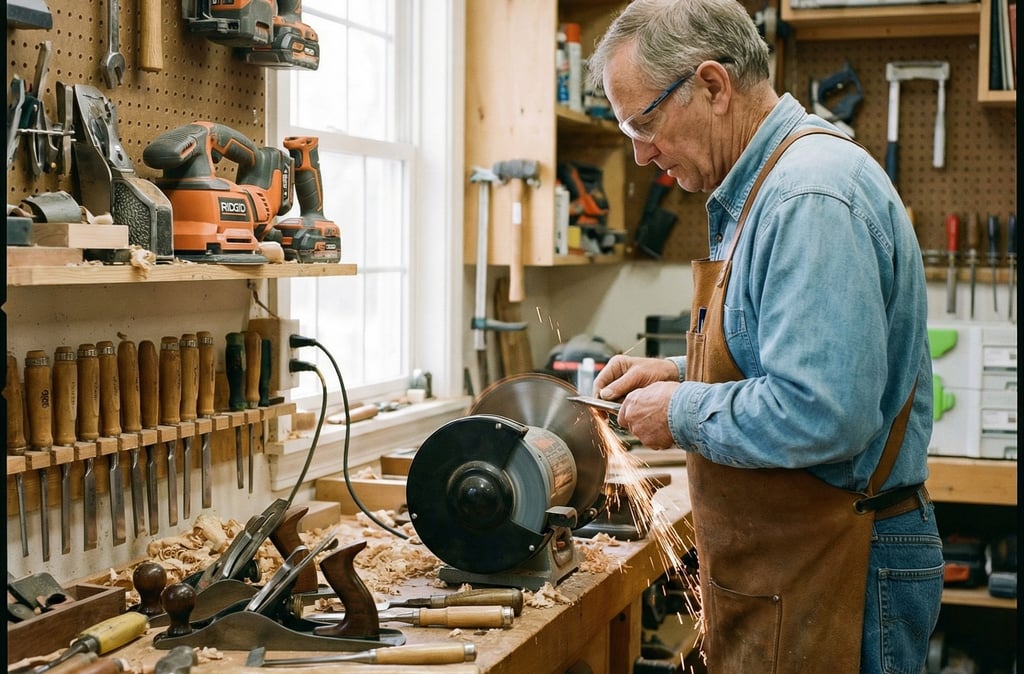
Tools wear out. You’ll find once clamps loosen, blades dull, or cords fray, your shop becomes a more dangerous place. It’s never glamorous, but it’s essential. I prefer maintenance to crisis management.
- Check fences and clamps for tightness: A shifting fence isn’t just annoying; it’s hazardous.
- Keep blades sharp and clean: Dull blades don’t just cause rough cuts—they push you to force the wood, leading to slips or kickbacks.
- Inspect power cords and guards: Frayed cords or missing guards aren’t minor oversights; they’re invite accidents.
- Unplug before adjustments: It’s a simple habit that avoids more than a few close calls.
If you develop a routine before each session to inspect these points, you’ll save yourself time and headaches down the road.
Ergonomics: Your Position Matters
You can’t expect precision if you’re stretching, twisting, or crammed into tiny spaces. Set your workspace so you’re comfortable and steady—this isn’t just about feeling good; it’s about control.
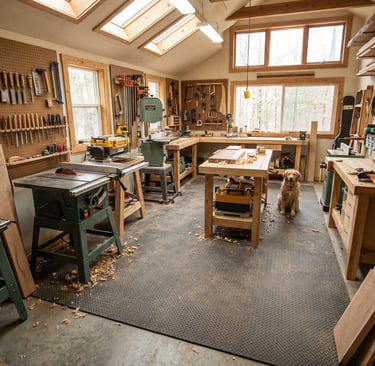
- Keep frequently used tools within easy reach—pegboards mounted at the right height are worth the investment.
- Place machines so you can stand naturally, facing your work head-on.
- If you spend hours standing, anti-fatigue mats can be a quiet lifesaver.
- Maintain a clean floor space: tripping hazards and clutter are invitations for slips with sharp tools nearby.
Spend the time laying out your shop ergonomically. Your future self will thank you.
Managing Blades and Bits
Blades and bits are the cutting edge—literally—and managing them well isn’t optional.
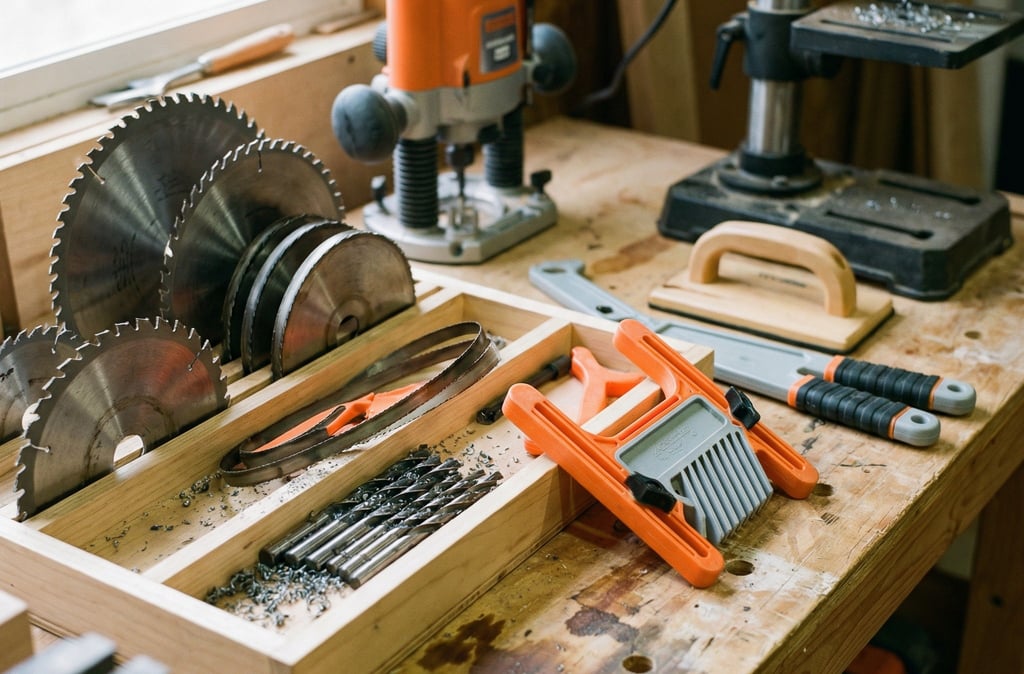
- Never use dull blades. I know it seems tempting to “push through,” but this is where accidents happen.
- Always choose the right blade or bit for your material and tool.
- Maintain proper blade tension, especially on band saws.
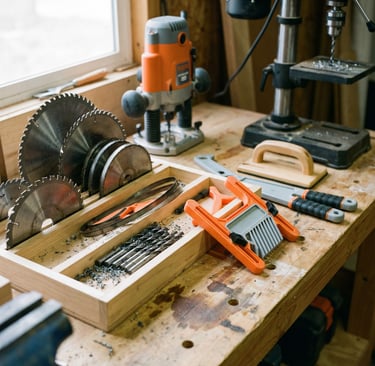
- Use push sticks and featherboards to keep your hands well away from danger zones.
- And one more: don’t freehand cut on a table saw. Holding the wood firmly against a fence or guide is where safety and accuracy collide.
There’s a reason safer practices are also the easiest on your tools and your fingers.
Pre-Use Safety Checks: Don’t Skip Them
I’ve seen experienced folks skip quick pre-use checks and pay for it. The steps take a minute, but they prevent everything from kickbacks to electrocution:
- Check guards and moving parts are present and secure.
- Tighten blades and bits before switching on.
- Verify dust collection is working—breathing wood dust isn’t part of the craft.
- Clean up the workspace, clear off scrap and sawdust.
- Test emergency stops and power switches.
If you do nothing else, do this. It’s your insurance policy for a safer day.
FAQs: How Often Should You Recalibrate?
From experience, recalibration depends on use:
- For casual hobbyists, recalibrate before every major project or at least once a month.
- For professionals or daily users, weekly or even daily checks keep safety and precision in check.
- Always recalibrate after changing blades or bits.
This isn’t guesswork—precision tools demand precision maintenance.
Wrapping It Up
Proper woodworking tool setup is a skill you get by doing it right, consistently. It isn’t flashy, and it won’t make for exciting social media posts, but it’s the difference between smooth workdays and trips to the emergency room. Calibration, maintenance, ergonomic setup, and safety checks—not optional extras, but essentials that keep you working safely and producing well-crafted pieces.
Respect your tools like you respect your own hands. Set them up carefully, maintain them properly, and you’ll be able to craft for years without incident.
Glossary
- Blade Tension: The tightness on band saw blades affecting control and cut quality.
- Riving Knife: A safety device behind a table saw blade that prevents the wood from pinching and causing kickback.
- Kickback: When wood is forcefully thrown back toward the operator from the saw.
- Featherboard: A device that holds wood firmly against fences or tables to keep hands safely away.
Recommended Tools and Accessories
- Well-calibrated table saw with reliable fences
- Push sticks and featherboards for hand safety
- Pegboards or racks for tool organization
- Anti-fatigue mats for standing comfort
- A solid lathe with secure chuck and tool rest
- Router with adjustable depth and speed control
- Drill press with dependable speed settings
For further reading, OSHA guidelines and woodworking safety experts offer thoughtful resources. Remember, the more you respect your tools and take safety seriously, the better your woodworking experience will be.
Stay steady, work smart, and keep your shop—and yourself—safe.