
Repetition beats variety
Discover why repetition beats variety for developing long-term woodworking skills and how focused practice accelerates your craft mastery.
PROJECT BLOG 4 - MISTAKES / SKILLS
Sawdust BuzzBlog Editorial Team - Led by AJ “Buzz” Eichman
2/11/20264 min read
Repetition Beats Variety: Why Doing the Same Thing Over and Over Actually Works
You know what they say: variety is the spice of life. Unless you’re trying to get good at something—then repetition is your secret sauce. Imagine trying to become a guitar hero by playing a different song every hour. Spoiler alert: you’ll end up sounding like a confused cat with a kazoo. Welcome to the world of skill-building where doing the same task repeatedly—*cue dramatic pause*—actually beats jumping around like a caffeinated squirrel.
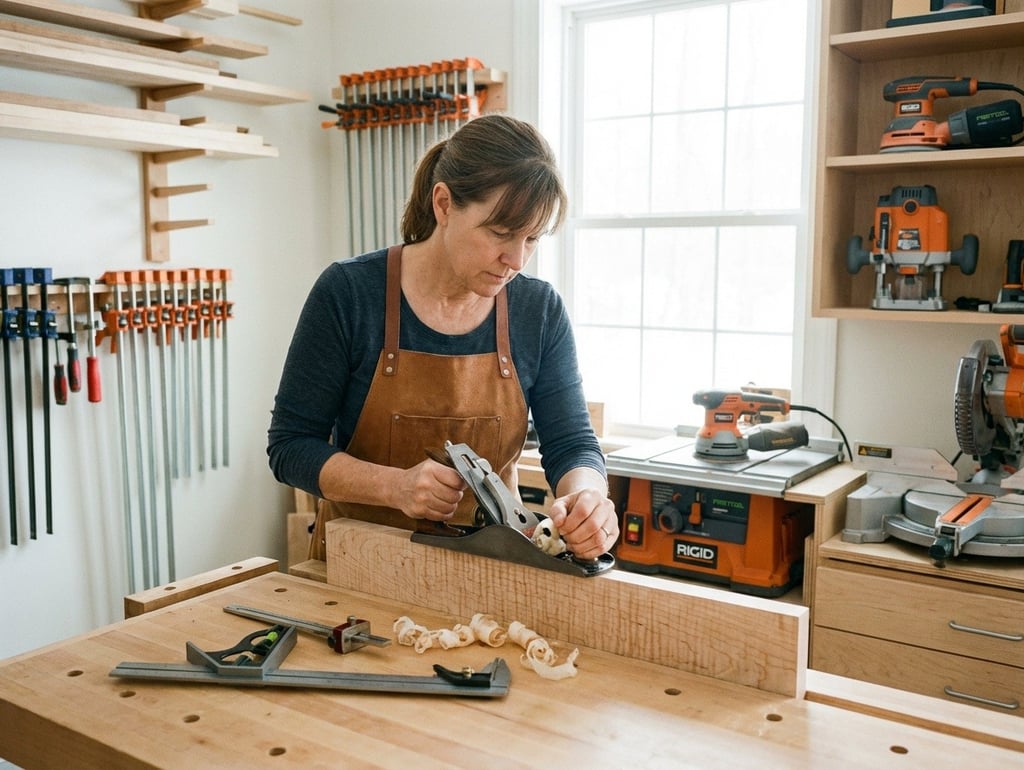
Why Repetition Crushes Variety When Building Skills
Let’s be real: bouncing between projects seems like a smart idea. “Oh, I’ll build a birdhouse today, a bookshelf tomorrow, and maybe a chair next week.” Cool, but your brain? It’s begging for consistency. When you repeat one task, your neurons throw a party and build strong pathways so you can do it faster, better, and with less “uh-oh” moments.
Think of it like Netflix binge-watching but for your muscles and brain—except instead of a crime drama, it’s cutting mortises or sanding edges. Woodworkers who batch similar tasks cut their mallet strikes from 40 to 15 in just ten consecutive tries. Magic? Nope, just focused repetition growing some serious muscle memory.
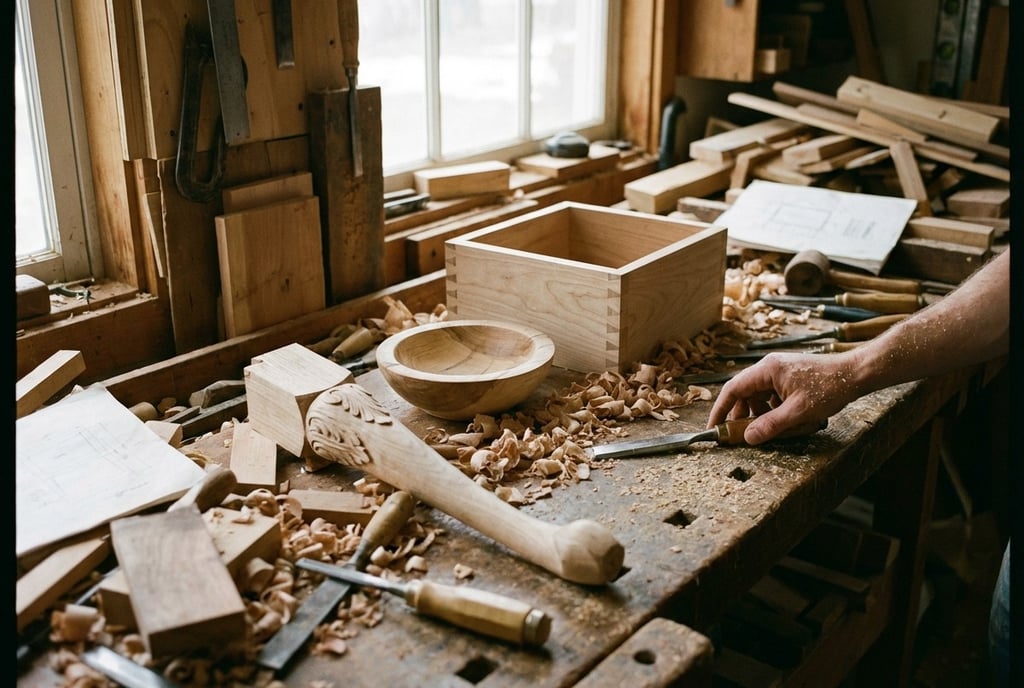
The Hole in Project-Based Learning
Project-based learning sounds fancy and, sure, building a chair is heroic. But if you’re only sawing, chiseling, and sanding piecemeal over weeks, your skills are like your plants: neglected and wilting. Spreading out practice means skills decay—yes, motor skills need their daily vitamins too.
And switching tasks all the time? Your brain’s like, “Wait, what are we doing again?” Constant resets kill the momentum needed to nail those tricky woodworking moves. So unless you enjoy feeling like a deer in headlights every session, it’s time to rethink your strategy.
Batching: The Secret Sauce for Muscle Memory (No Cooking Required)
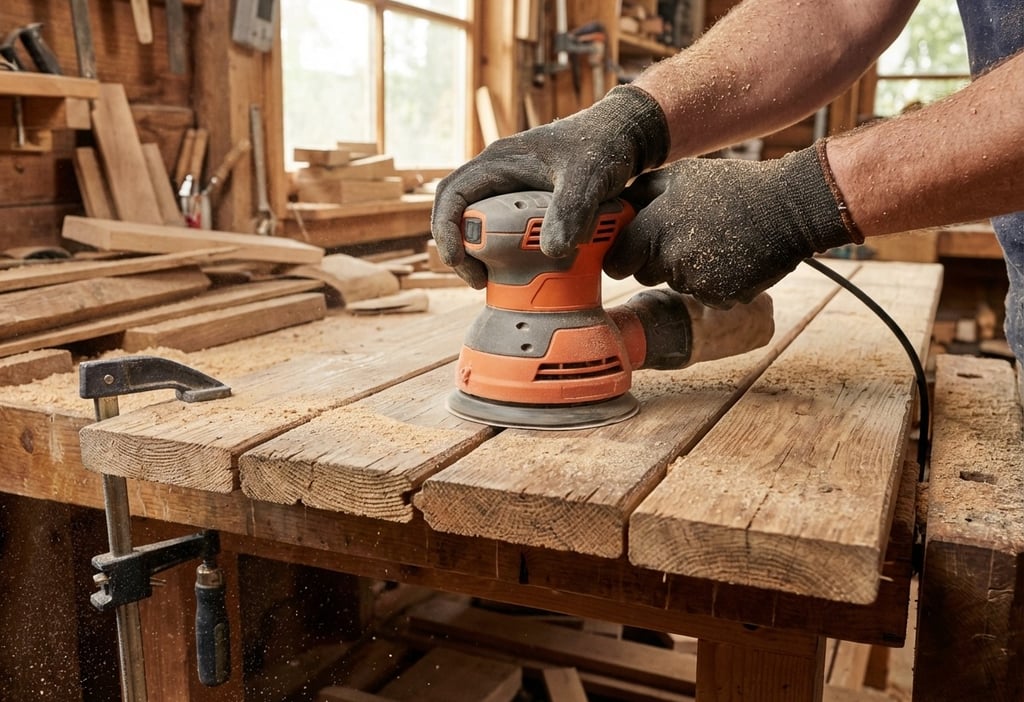
Batching identical tasks back-to-back—think chopping all those joints in one shot or sanding every surface in one smooth marathon—gets your brain and muscles grooving. Each repetition isn’t just practice; it’s like leveling up in a video game where your chop skills unlock access to “precision mode.”
Plus, repetitive action ushers in a zen-like “flow state.” Your brain tunes out the noise, your hands do the dance, and suddenly, you’re not just working—you’re in the zone. This makes practice less of a chore and more like a mini mental vacation.
Science Says: Close Spacing is the Real MVP
Cognitive science bangs the gavel on this one: tight, repetitive practice sessions build neural connections faster than spacing things out indefinitely. (Distributed practice is cool for memorizing grammar rules, but bad news if you want fine motor skills without looking like a shaky octopus.)
Bonus round: woodworking’s repetitive rhythm can boost your planning, sequencing, and spatial smarts—basically, it’s a brain gym that might keep your mental gears oiled well into retirement. Mindfulness? Check. Stress relief? Double check.
How to Use Focused Repetition Without Losing Your Mind
- Batch like a boss: Do all the similar tasks in one sitting. Cut all your joints, sand all those surfaces—the speedy way to skill.
- Drill down on drills: Practice that tricky chisel cut on scrap wood like it owes you money before trying it on the real deal.
- Set repetition goals: Ten to fifteen solid reps are your sweet spot to build rhythm and precision.
- Spy on your progress: Keep tabs on how much faster or cleaner you get. Getting better is addictive.
- Keep it regular: Consistency is your BFF, so sneak in practice sessions regularly rather than squeezing them into erratic bursts.
When Repetition Meets Project Work (The Power Couple)
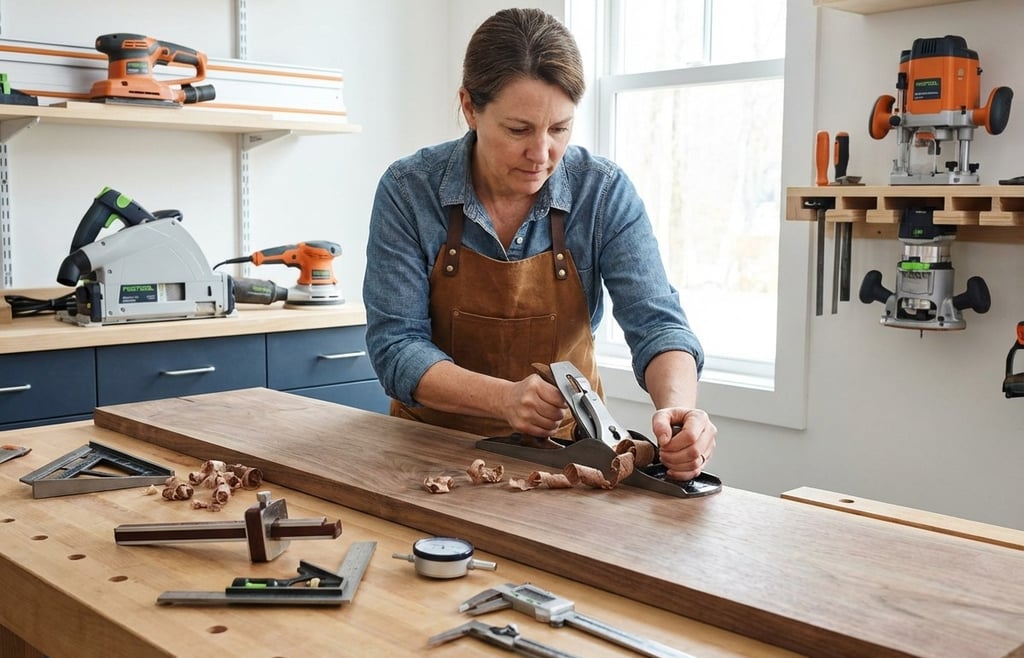
Look, only repetition or only projects? That’s like peanut butter without jelly. Projects give you the big picture, the “wow, I made this!” moment, and help connect dots. But without the foundational reps, you’ll be wobbling through your build like a toddler learning to walk.
Cycle between micro drills to turbocharge your technique and then dive into full projects to apply and problem-solve. Rinse and repeat. Trust me, this combo will make your skills unstoppable.
FAQ Corner: Quick Hits
Q: How soon should the next repetition happen?
A: Same session or back-to-back days are the dream team. Wait weeks? Say hello to skill decay and frustration.
Q: Won’t repetition get boring fast?
A: Only if you’re a robot. Keep it spicy with clear goals, tracking improvements, and mixing in fun projects.
Q: What tasks are begging for batching?
A: Precision stuff like joint cutting, sanding, drilling, or finishing—basically anything you want to nail with flair.
Glossary (AKA Your New Buzzwords to Sound Smart)
- Focused repetition: Doing the same skill over and over in close succession.
- Muscle memory: When your body knows what to do without your brain telling it every second.
- Batching: Grouping like tasks together for max efficiency and skill gain.
- State of flow: The sweet mental zone where distractions vanish and you become a craft ninja.
- Technique maturation: When your skill actually levels up and performs smoother than before.
So yeah, repeat after me: repetition beats variety—especially when it comes to woodworking and hands-on projects. Now go forth, batch those tasks, and wield those tools like a champ. And remember, this will be on the test.