
Why Measuring Tools are Used More than any Others
Discover why measuring tools are the most used and essential in woodworking, ensuring accuracy, reducing waste, and boosting efficiency in every project.
BASIC - MEASURING / CUTTING / SAFETYTOOLS 1 - PROB SOLVER / ACCURACY /HAND TOOLS
Sawdust BuzzBlog Editorial Team - Led by AJ “Buzz” Eichman
2/9/20265 min read
Why Measuring Tools Are Used More Than Any Others: Accuracy Comes First
In my years working in the shop, one lesson keeps proving itself: getting accurate measurements beats rushing into cutting or assembly every time. Measuring tools aren’t just another category in your toolbox—they’re the cornerstone of everything that follows. You might hear about fancy saws or powerful drills, but without reliable measuring tools, your project’s foundation is shaky. Let me walk you through why accuracy comes first and why these tools see more use than any others.
Why Accuracy Is the Backbone of Good Woodworking
You’ve likely heard the old saying, “measure twice, cut once.” That’s not just a catchy phrase—it’s a principle grounded in experience. When you measure correctly, you avoid wasted material, extra time spent fixing mistakes, and the frustration that comes with poor fits or crooked joins.
In woodworking—and really any craft involving fitting parts—a few millimeters off can throw everything out of whack. I’ve seen cabinet doors that wouldn’t close right because of sloppy measurement early on. Fixing those errors later is a headache, and often means ripping apart what you thought was finished work. Accuracy upfront is what keeps your project sound and professional-looking.
The Measuring Tools You’ll Use Most in the Shop
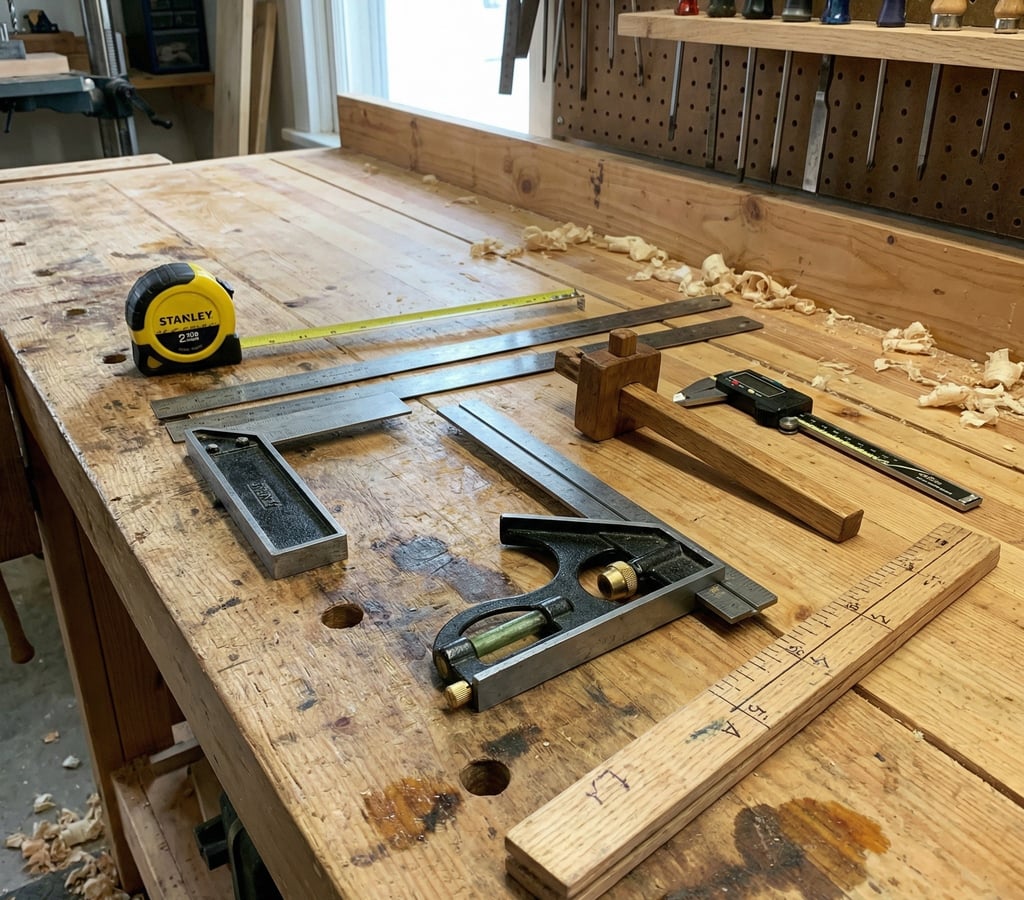
Over time, you start to recognize that some tools keep showing up in every project. Here's what I rely on most—and why they earn their place:
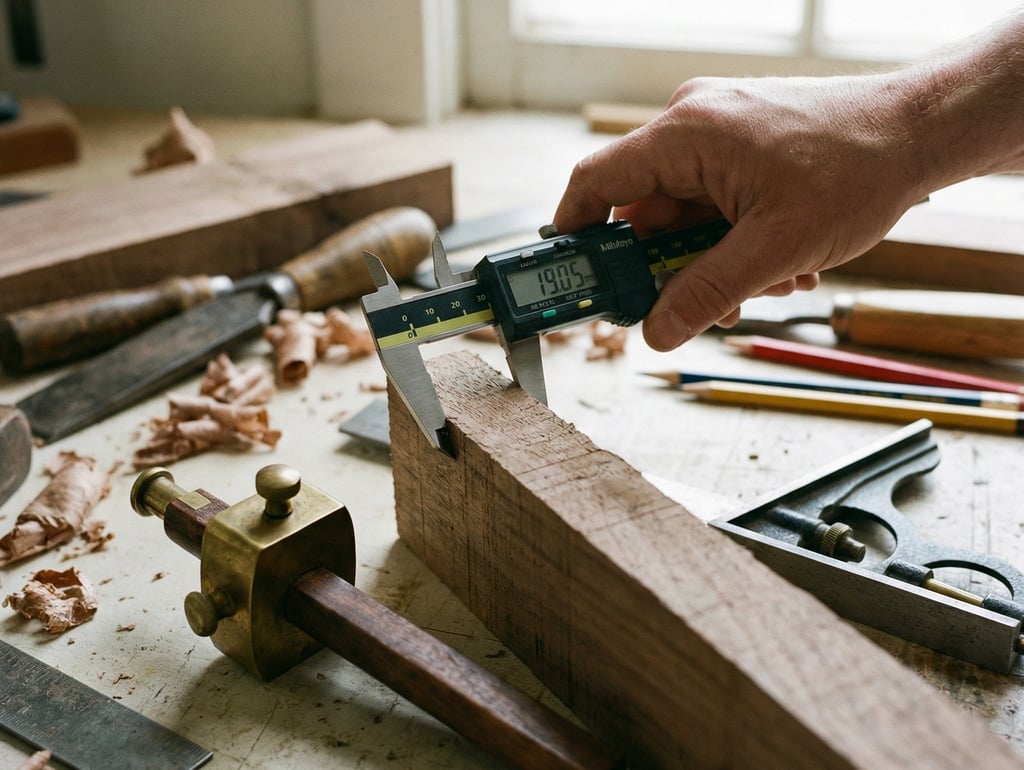
- Tape Measure: The most common and flexible tool in any shop. Look for one with clear markings and a lock to hold the blade steady. Don’t make the mistake of trusting a worn tape—I've found some that stretched just enough to mess up measurements.
- Steel Rulers: Perfect for short runs and a more rigid, reliable edge than a tape measure can offer.
- Squares:
- Try Square: A simple but essential tool, primarily for checking right angles. It’s where most people get tripped up—if your square isn’t true, you’ll end up with crooked cuts.
- Combination Square: Multipurpose for angles, depths, and measurements. I prefer this because it handles several tasks with consistent accuracy.
- Marking Gauge: One of those inexpensive tools that pays big dividends. It’s invaluable for scribing consistent lines parallel to edges—skip this, and you risk inconsistent fits.
- Digital Calipers: When your work calls for millimeter or thousandths-of-an-inch precision, this is the tool. I keep one handy for checking thicknesses or fitting hardware—otherwise, you’re guessing.
- Story Stick: A less glamorous but incredibly useful tool. It helps transfer repeated measurements without the risk of misreading numbers—something many miss until they’ve had to fix cumulative errors.
Each of these tools supports accuracy in a different way, but together they form the reliable framework you’ll depend on for precise woodworking.
Why Measuring Tools Get More Use Than Saws or Drills
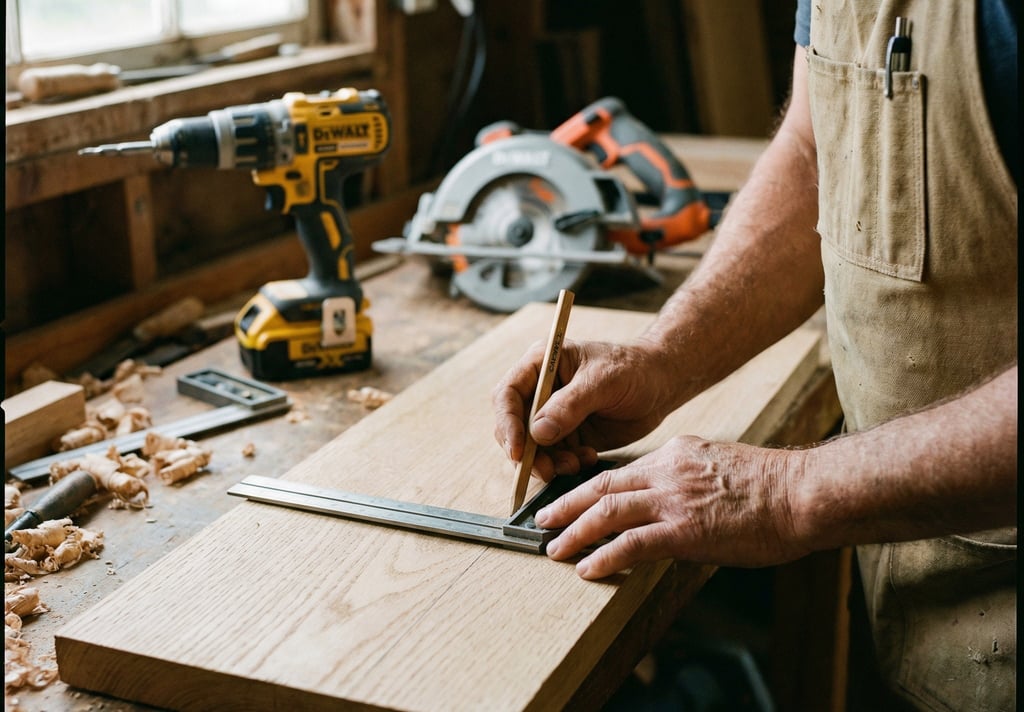
You might wonder why I emphasize measuring tools over the more dramatic—if noisy—saws or drills. The answer is simple: measuring tools set the stage. Without accurate layout and marking, no saw or drill can fix the underlying mistake.
Here’s what reliable measuring tools bring to the table:
- Less Waste: Precise measurement reduces the risk of cutting a board too short or drilling misaligned holes—both common time sinks.
- Better Fit and Finish: Properly measured parts fit together seamlessly, giving your work that polished, professional look.
- Repeatability: For projects involving multiple identical parts, consistent measuring tools keep dimensions uniform. I’ve learned the hard way that swapping tools mid-project invites trouble.
- Faster Workflow: Correct measurements up front save you from going back and forth trying to fix errors later.
- Safety: Mis-measurements can lead to structurally unsound builds, which isn’t just sloppy—it can be dangerous on site or in use. Ask me how I know.
What I’ve Learned About Taking Accurate Measurements
Even the best tools won’t save you if you don’t use them right. Here are some hard-won tips:
- Invest in Quality: Cheap or worn tapes and squares will betray you. Buy well-made tools and replace or recalibrate them if they lose accuracy.
- Stick to One Tool When Measuring: Changing between rulers or tapes mid-measurement invites conversion errors and inconsistencies.
- Take Your Time Reading Marks: Fractions or decimals can easily trip you up if you’re not paying attention.
- Account for Wood Movement: Wood isn’t static—it expands and contracts with humidity. When fitting joints, allow for that natural change.
- Measure Twice, Cut Once: This step feels optional until that one cut you can’t undo. Don’t skip it.
Common pitfalls I’ve seen (and experienced) include ignoring signs a tape is stretched or a square is bent, rushing measurements, and skipping calibration. The result is always more rework—and sometimes scrapped material.
Measuring Tools as Efficiency Boosters
Adopting accurate measuring habits does more than improve precision; it also streamlines your workflow. When you trust your layout:
- You reduce guesswork and second-guessing.
- Setup times shrink because you’re not double-checking every step.
- You avoid scrambling to fix mistakes, keeping your project moving forward without disruption.
Putting time and care into measuring is not wasting time—it’s investing it wisely.
Frequently Asked Questions
What’s the most accurate measuring tool I should have?
For fine precision, digital calipers top the list. But for everyday layout, a combination square offers versatility and reliable accuracy.
Why measure twice before cutting?
This classic advice is about catching errors early. One quick measurement can be influenced by distracted reading or a faulty tool; double-checking saves you expensive mistakes.
How often should I calibrate my measuring tools?
That depends on how often you use them. Frequent users should check calibration periodically—especially if you drop or abuse a tool. Accuracy degrades quietly but steadily.
Glossary
- Try Square: Tool used mostly to mark and check 90° angles.
- Marking Gauge: Tool for scribing parallel lines and consistent depths.
- Digital Calipers: Tool for small, precise internal and external measurements with digital readout.
- Story Stick: A reference tool marked with measurements to transfer layouts without reading numbers.
- Metrology: The science and practice of measurement—important for precision in woodworking.
Final Thoughts
Measuring tools may not grab headlines like power tools, but in my shop, they’re what keep things honest. Accuracy sets the tone, reduces waste, and makes your work stand out. The right measuring tools, combined with proven habits, shift projects from guesswork to craftsmanship. Prioritize your measuring tools—they’re used more for a reason, and one you’ll appreciate every time you pick up a saw or drill with confidence in your layout.
When you insist on accuracy first, you save yourself headaches down the line. That’s experience talking—not hearsay.