
Why Plans Help Early
Discover why following plans early in woodworking boosts confidence, ensures accuracy, and speeds up skill building, making your projects more successful and enjoyable.
PROJECT BLOG 3 - CHOICES / PLANSEDITOR PICKS
Sawdust BuzzBlog Editorial Team - Led by AJ “Buzz” Eichman
2/11/20264 min read
Why Plans Help Early: Following Plans vs Designing Your Own
Ever tried assembling IKEA furniture without the manual? Yeah, me too. Spoiler alert: it didn’t end well. Now imagine starting a woodworking project or any DIY venture with zero guidance—*cue dramatic horror music*. Let’s be real, jumping headfirst into designing your own masterpiece when you’re still mastering the basics is like trying to freestyle rap before learning your ABCs. Stick with me, and I’ll tell you why following plans early on will save your sanity, your wood, and maybe even your ego.
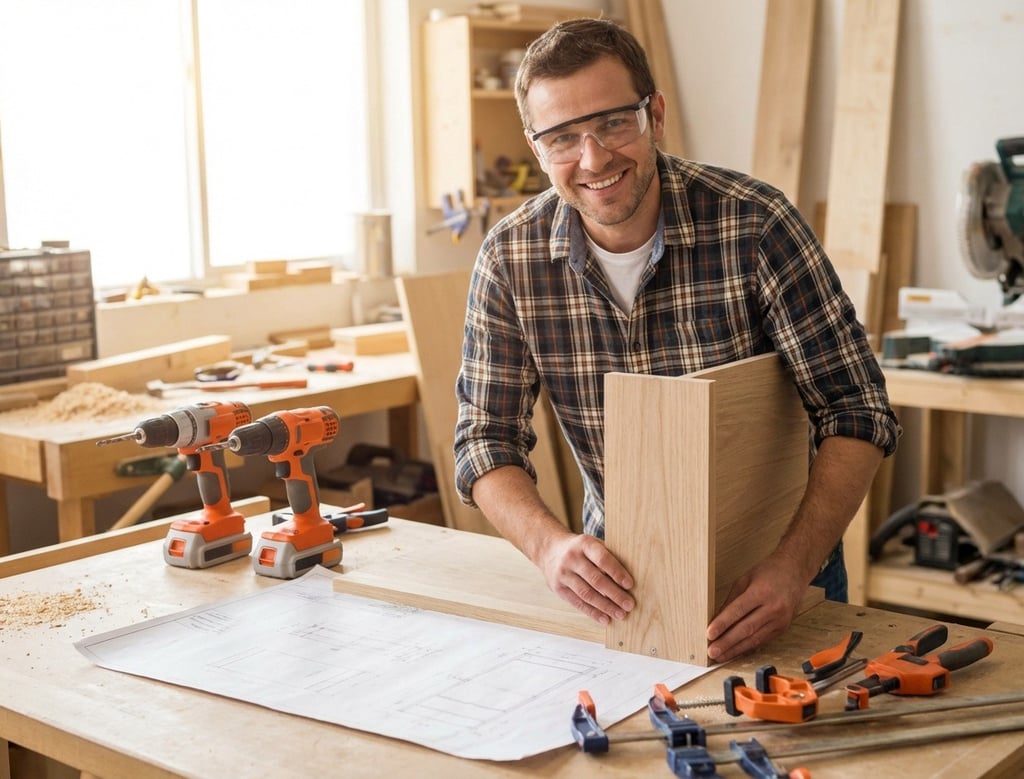
Why Following Plans Beats Designing from Scratch for Beginners
Picture this: You’re a rookie woodworker, staring at a plank of wood suspiciously, thinking, “How hard can this be?” Famous last words. Without a plan, you’re basically playing Jenga with blindfolds—one wrong cut and crash goes your future coffee table (and your wallet).
Plans are like that cool friend who actually knows what they're doing. They hand you clear measurements, step-by-step instructions, and a foolproof sequence, so you can focus on learning the craft instead of inventing a new curse word every five minutes.
In woodworking, for example, plans guide you through each cut, joint, and assembly like a GPS for your tools. Miss a beat, and you might end up with a lopsided shelf instead of a Pinterest-worthy showstopper. So yeah, plans are your beginner cheat code.
> Takeaway: Following plans early lets you nail the basics without turning your workshop into a sawdust nightmare. And yes, this will be on the test.
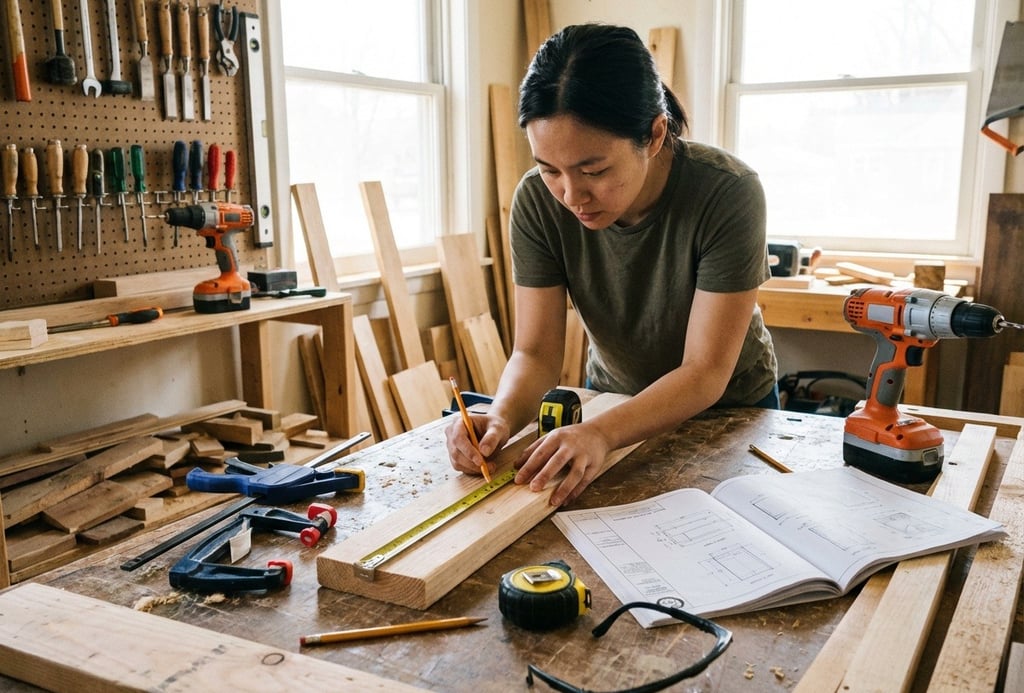
Key Benefits: Efficiency, Accuracy, and Skill Building
Alright, before your eyes glaze over like a Krispy Kreme (mmm, doughnuts), let’s break down why sticking with plans is basically the adult version of cheat codes in video games:
- Efficiency: Plans give you a map. No wandering in the DIY wilderness wondering if you forgot a step or where you put the hammer. This means you finish projects faster—which is perfect for when your inner perfectionist is screaming, “Are we done yet?”
- Accuracy: Precise measurements and diagrams = less wasted wood and fewer “well that’s not gonna fit” moments. Pro tip: wasting wood feels a lot like wasting money. Both sting.
- Skill Building: Plans break stuff down so you’re not trying to build the Empire State Building on day one. One step at a time, my friend. Joinery, finishing, sequencing — all taught by the masters through their plans.
Bonus round: Digital woodworking software (yes, that’s a thing) can take your planning game to Jedi-level precision with 3D visuals and cut optimization. Jedi robes optional.
> Takeaway: Follow the path of efficiency, accuracy, and skill and avoid rookie traps like “oops, wrong cut” or “guess I’m making kindling!”
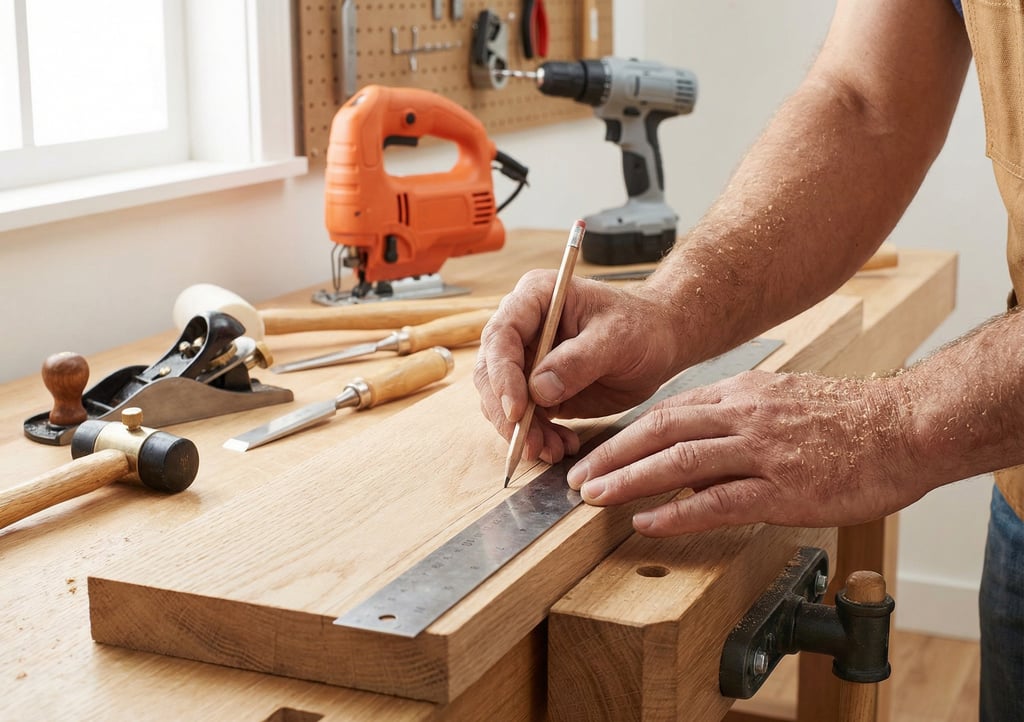
Building Confidence and Reducing Early Mistakes
Hot take coming in 3…2…1: confidence is the secret sauce in woodworking and pretty much any new hobby.
Plans are your confidence booster, your hype squad, and your safety net all rolled into one. They help you avoid beginner blunders like guessing measurements, skipping steps, or accidentally launching a rogue splinter.
Without plans, the nightmare scenario unfolds: wasted materials, frustration, and possibly that dark day when your inner voice says, “Maybe woodworking isn’t for me.” Spoiler: it totally is. You just need structure. Plans provide that, plus teach you safe tool use and best practices early on.
> Takeaway: Confidence + less facepalms = more fun and way fewer DIY meltdowns.
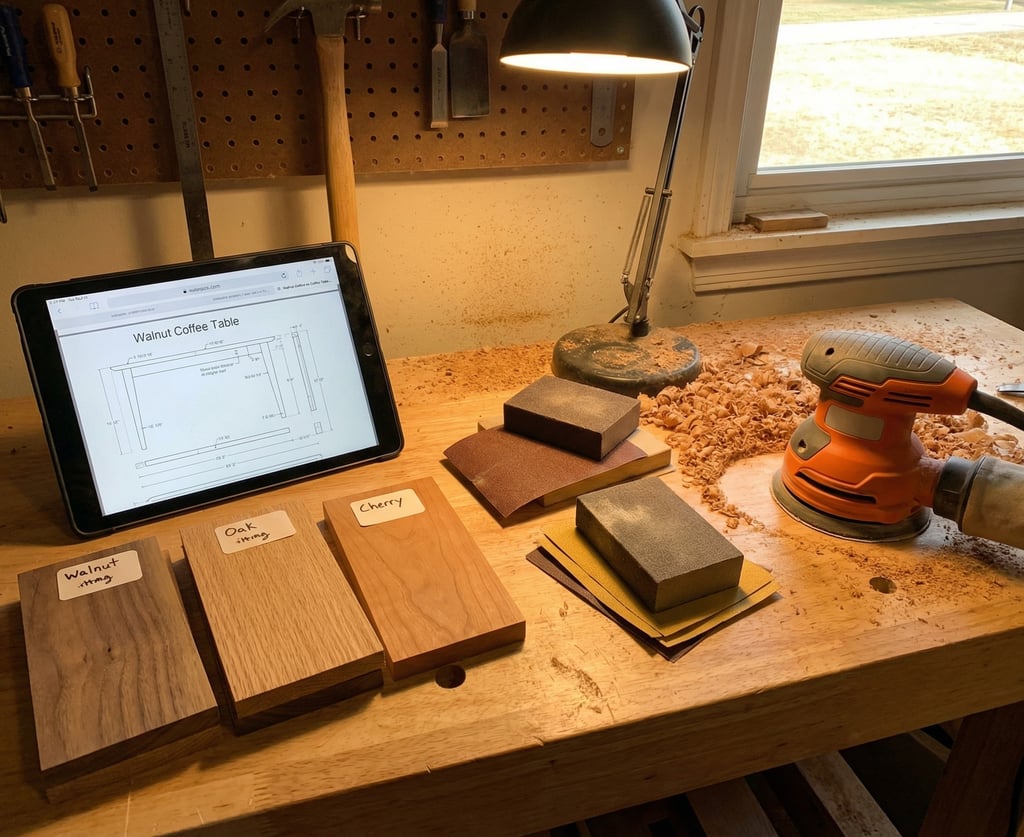
Customization Within Plans vs Full Custom Design
Don’t worry, following plans doesn’t mean you have to be a robot with zero flair. Think of it like jazz — start with the sheet music, then riff your way to solo legend status.
Many plans welcome customization. Want a wider table or jazzier finish? Go for it! But here's the trick: learning what’s feasible within a plan teaches you design limits without breaking your masterpiece (or your back).
As your skills level up, you’ll mix your own designs with plan foundations. Eventually, you’ll be the Frank Lloyd Wright of the garage workshop, but trust the process—*plans first, Picasso later.*
> Takeaway: Plans don’t cramp your style; they give you the training wheels before the big BMX tricks.
Tools and Software to Get Started with Plans
Technology is your new best woodworking buddy. Forget chisels and chisels alone:
- Woodworking Build Plans: Easy-to-follow downloads from DIY pros—basically your woodworking GPS.
- SWOOD Design Software: Fancy CAD integration with slick 3D visualization and cut lists. It’s like giving your workshop a brain.
- CAD/CAM Tools like OptiNest: These bad boys help arrange your cuts efficiently so you’re not tossing expensive wood like last year’s memes.
These digital helpers turn complex planning into a walk in the park—minus the splinters.
> Takeaway: Use tech tools to level up your plank game. It’s like having a Jedi master guide your lightsaber moves.
FAQs (Because You Know You’re Curious)
Q: Should woodworking beginners always use plans?
A: Heck yes. Plans = less stress, less waste, and more “heck yeah” moments.
Q: How do plans save time and materials?
A: Exact measurements and sequences mean no more guessing or scrap pile growing faster than your plant collection.
Q: Can you modify store-bought plans?
A: Absolutely. Customize sizes, styles, and materials but stay within safety and structural logic. Baby steps toward your dream design.
There you have it, folks. Plans help early, save your patience, and build the skills that’ll turn you from newbie to woodworking wizard—just remember to laugh at your mistakes and never, ever skip the instruction manual (unless you like surprises). Still reading? Wow. You’re officially my favorite.