
Why Starting Simple Matters
Starting simple in woodworking isn’t a setback—it’s how real skills are built. This guide shows why beginner projects matter, what they teach, and how smart progression turns frustration into confidence.
PROJECT BLOG 1 - BEGINNER
Sawdust BuzzBlog Editorial Team Led by AJ “Buzz” Eichman
2/8/20264 min read
Why Starting Simple Matters: A Guide to Project Progression in Woodworking
Alright, folks, let’s be honest — jumping headfirst into a woodworking project that requires the precision of a NASA engineer might feel like a great idea in theory, but in practice? It’s like trying to run a marathon in flip-flops. Spoiler alert: it won’t end well. So before you build that triple-tiered, hand-carved dining table, let’s talk about why starting simple isn’t just for kiddos or the faint of heart — it’s the secret sauce to woodworking success.
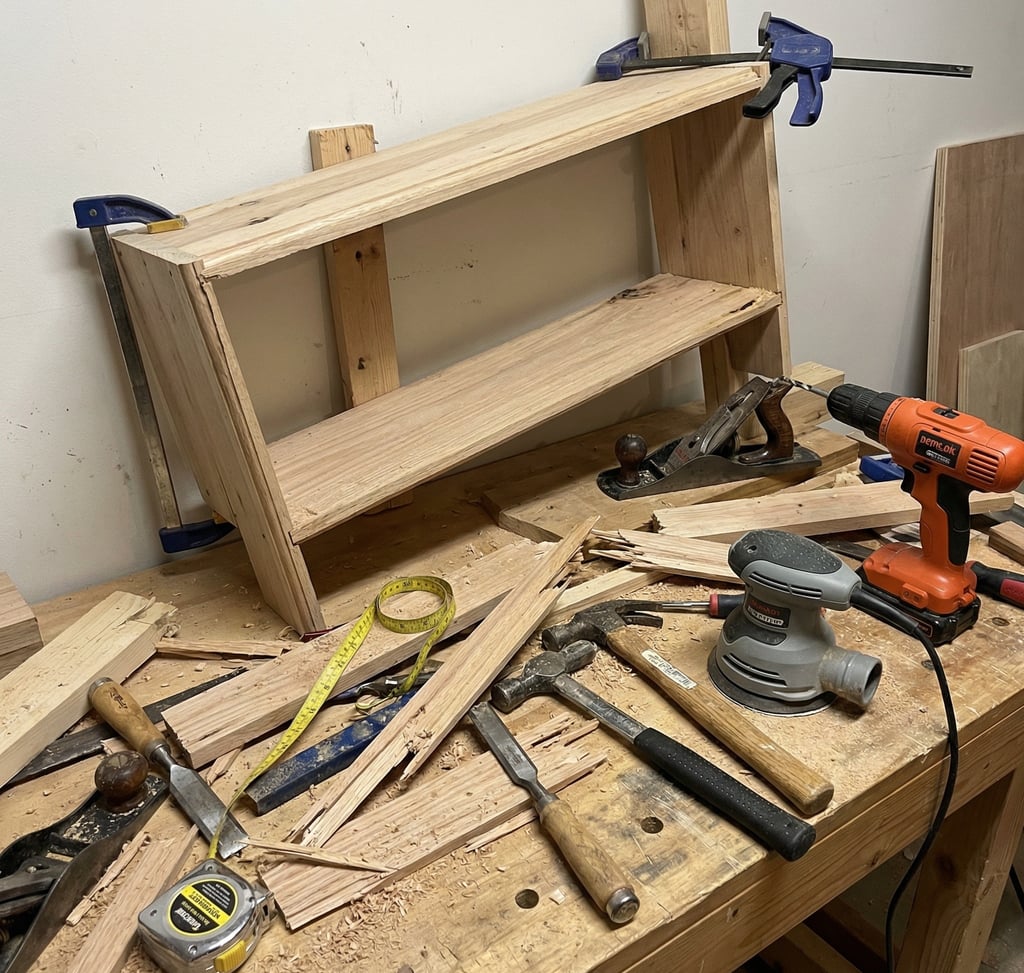
Why Starting Simple Builds a Strong Foundation
Think of woodworking skills like a Jenga tower. If you start plucking the big, complicated blocks first, cue dramatic collapse, everything falls apart. Starting small (like building a solid base for that tower) means you get to nail (pun intended) the basics without your project turning into a disaster film.
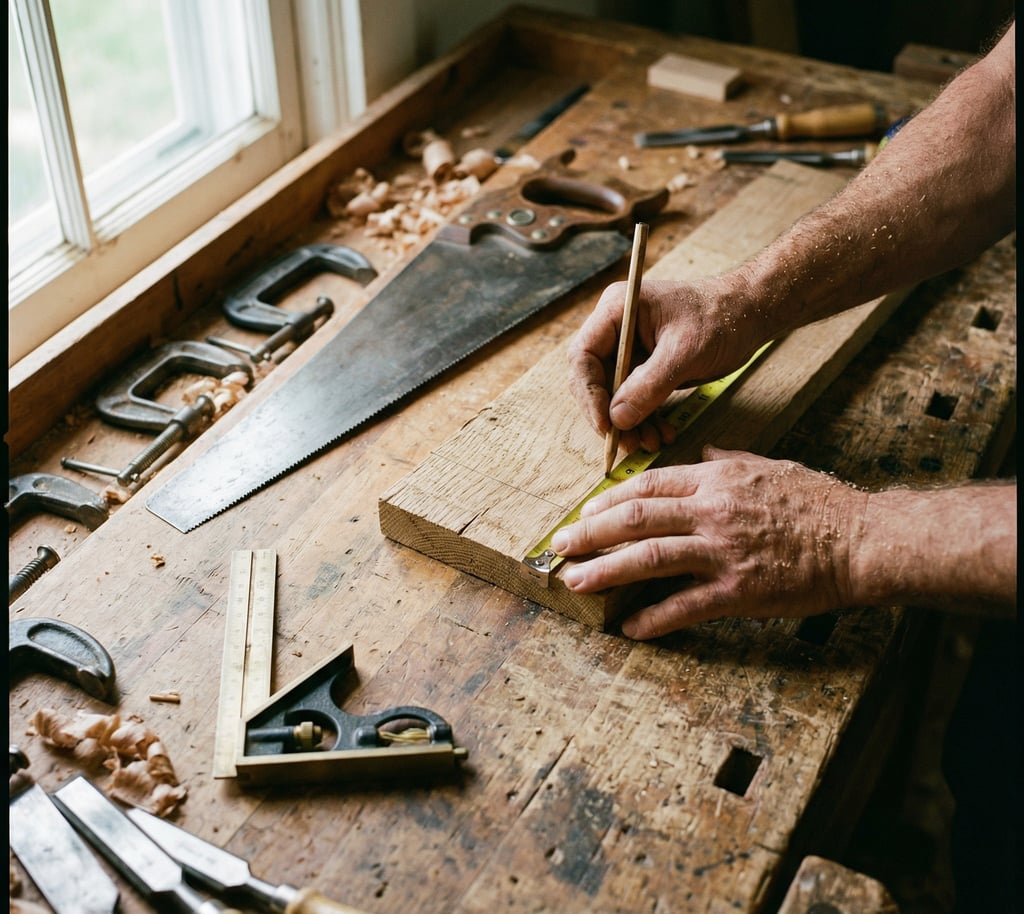
Simple projects teach you essentials like measuring with Jedi-like precision (because guess what, an off-cut is not just “creative”), sawing straight lines that don’t look like a kid’s art project, and joining wood securely without needing to call a therapist afterward. It’s about setting up good habits and muscle memory — yes, woodworking has muscles, and no, they don’t magically grow overnight.
What you get from starting simple:
- Master the holy grails: measuring, cutting, joinery basics
- Avoid rookie mistakes that drain your wallet (and patience)
- Build confidence so your inner voice says “I got this!” instead of “call a professional”
Self-awareness moment: My 7-year-old asked if I was done talking about joinery. I said, “Never.” You feel me?
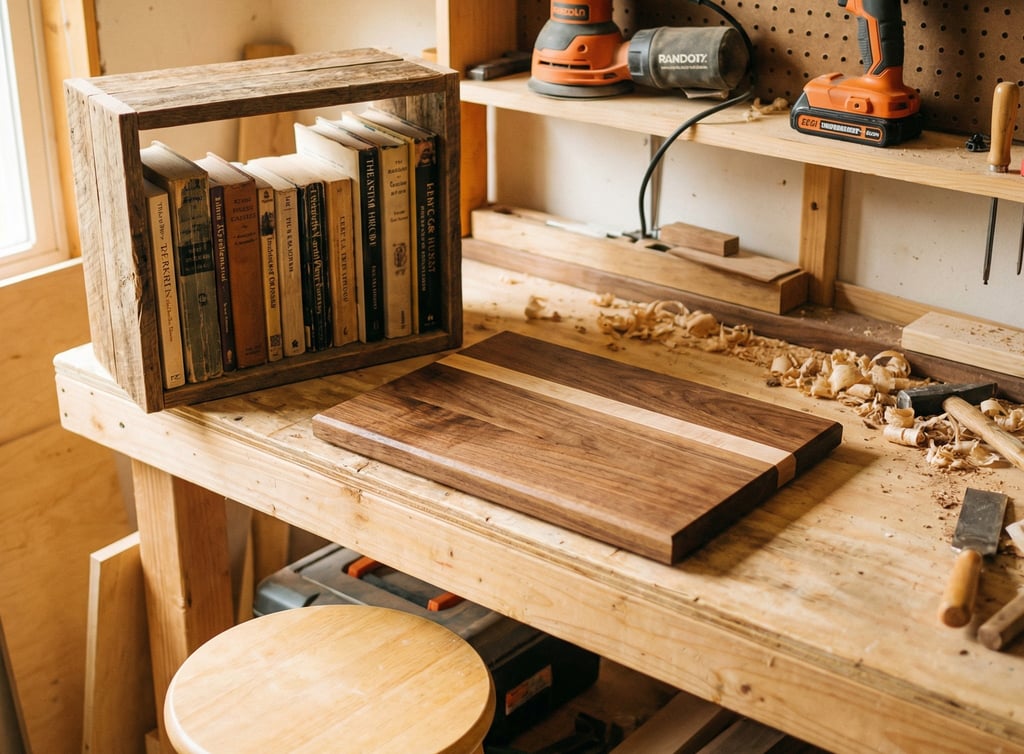
Essential Beginner Projects to Start With
Let’s talk projects that won’t leave you crying into your sawdust:
- Cutting Boards: The OG starter kit of woodworking projects. Gluing strips, sanding to silky smoothness, and learning why “close enough” is the enemy here.
- Small Shelves or Bookshelves: These introduce you to stability basics — you know, making sure your shelf can hold more than just your hopes and dreams.
- Simple Stools: Legs equal in length or your cat’s going to judge you forever.
- Picture Frames: Because who doesn’t want to frame their masterpiece of a beginner’s mishmash? Miter joints start to make sense here.
- Scrap Wood Practice: The land of trial, error, and that sweet “I nailed it” moment when the saw behaves.
Bonus: These projects are actually usable, so you don’t feel like a crafting chump with a pile of useless wood scraps.
Skills Gained from Simple Projects
Welcome to Woodworking 101: Here’s your cheat sheet on what simple projects teach you beyond just “how to not cut yourself” (though that’s important too):
- Accuracy Is King: Because a wonky cut is about as welcome as a plot twist in a rom-com.
- Tool Whispering: Handsaws, clamps, chisels, and sanders aren’t scary — they’re your new best friends.
- Joinery Basics: Butt joints, pocket holes—slap those babies together like a pro.
- Finishing Flair: Sanding, staining, varnishing — making your project look like it belongs in a fancy showroom, not the scrap bin.
- Problem-Solving/Improv Skills: Wood is unpredictable, like that one friend who always cancels plans. You learn to adapt, patch, and power through.
Pro tip: These skills stack like LEGO blocks — start simple, build complex.
Common Pitfalls of Skipping Simplicity
Hot take coming in 3…2…1: Trying to skip the simple stuff will cost you time, money, and sanity.
Here’s what usually happens if you try to play woodworking chess without learning checkers first:
- Cut corners? More like cut the wrong board. Precision suffers.
- Complex joinery without practice? Prepare for gaps that could hide a small family.
- Using tricky woods too soon? That warped mess ain’t a creative style — it’s a nightmare.
- Skipping easy finishing? Your masterpiece becomes a "what was I thinking" real quick.
And trust me, “This time it’s personal” doesn’t fix a wonky leg or a crooked shelf.
Progression Path: From Simple to Advanced
Follow this roadmap and you’ll feel less like a hammer-wielding maniac and more like a master craftsman:
1. Scrap Wood Playtime: Forget fancy materials; nail the basics of cuts and angles first.
2. Basic Projects: Cutting boards, frames, and shelves — your new comfort zone.
3. Moderate Joinery: Hello, mortise and tenon! You’re fancy now.
4. Furniture Time: Chairs, tables, and cabinets enter the chat.
5. Power Tools FTW: When your hand skills are solid, bring in the big guns.
6. Design + Finish: Advanced techniques and decorative inlays because you’re basically Michelangelo by now.
Takeaway: Progression is like leveling up in a video game — no one beats the final boss on day one.
FAQ (aka “But Seriously, Help Me” Section)
** What’s the best woodworking starter project? **
Cutting board. It’s the newbie MVP — teaches prep, glue-ups, sanding, and you get a cool kitchen accessory out of it.
** Why avoid jumping into complex builds right away? **
Because mistakes at that level cost more than just time — they cost motivation. Starting simple saves future you a big headache.
** What are the must-have tools to start with? **
Handsaw or circular saw, measuring tape, clamps, hammer, wood glue, sandpaper or sander, and a square (no, not the app).
Starting simple isn’t a cop-out; it’s the plot twist that turns your woodworking story from tragedy to triumph. So grab that scrap wood, dust off your measuring tape, and start small. Remember: greatness is just a bunch of tiny, precise cuts away. And yes, this will be on the test.